
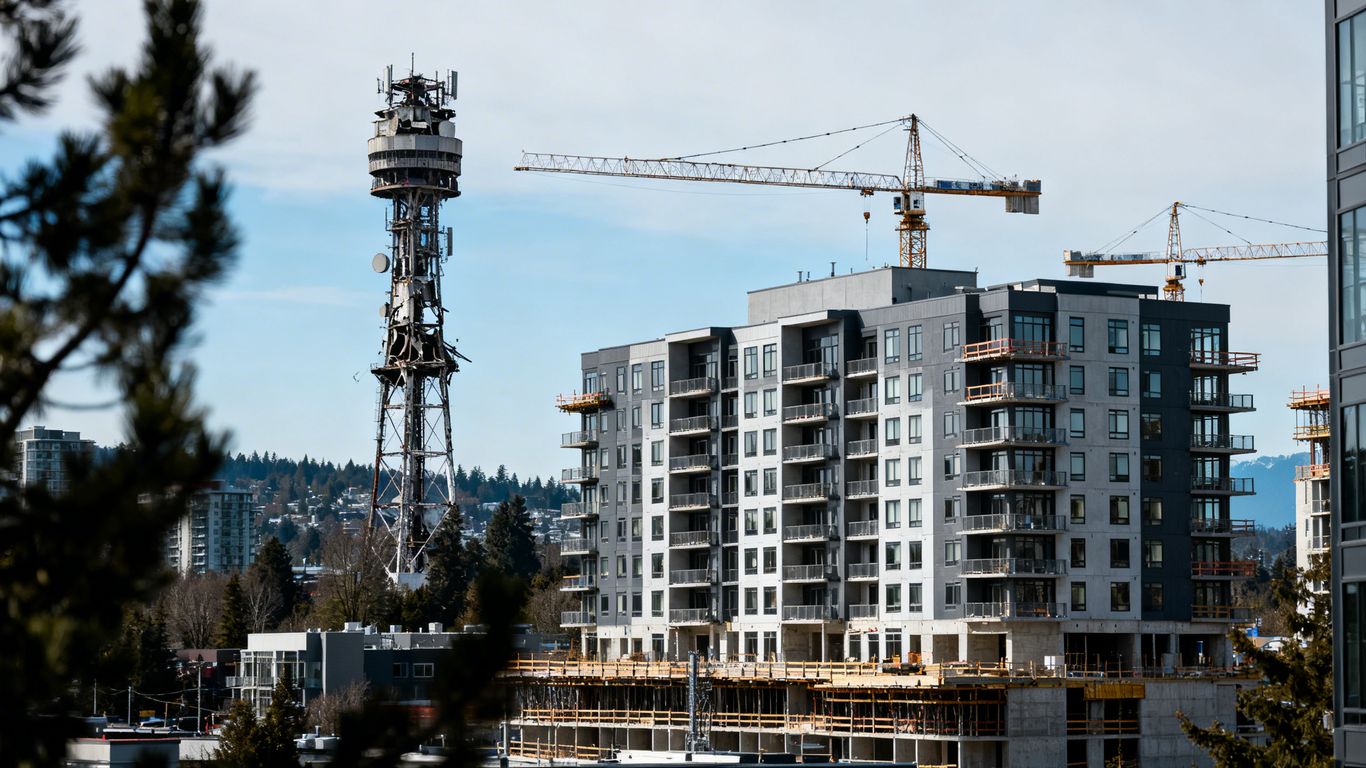
Telecom giant Telus is venturing into real estate development, repurposing its strategically located former network sites across British Columbia to build thousands of rental homes. This initiative, known as Telus Living, aims to address housing needs while monetizing underutilized company assets.
Key Takeaways
- Telus Living plans to deliver thousands of rental units on former telephone exchange sites across B.C.
- The first 254 units are slated for Nanaimo and Sechelt in early 2026, with 55 units already under construction in Vancouver.
- The company has identified approximately 200 sites for alternative uses, with development applications submitted for 24.
- The initiative could eventually add 5,000 to 10,000 units in B.C., with potential expansion to Alberta and Quebec.
- The projected stabilized value of the portfolio could reach up to $3 billion.
Repurposing Prime Real Estate
Telus possesses over 2,300 institutional properties across Canada, many of which were originally established as telephone exchanges decades ago. Due to advancements in technology, such as the shift from copper to fibre optics, these sites now have a smaller operational footprint, freeing up valuable real estate in the heart of communities. Telus Living is now transforming these well-located parcels into much-needed rental housing.
Project Rollout and Future Plans
The first phase of the Telus Living project will see 254 rental units delivered in Nanaimo and Sechelt by the first half of 2026. In Vancouver's Point Grey neighbourhood, construction has already commenced on 55 units. Looking ahead, Telus has proposed an additional 18 properties that could yield over 3,000 homes across B.C. within the next six years. The company is also exploring expansion into Alberta and Quebec, with the potential to add between 5,000 and 10,000 units in B.C. alone.
Community Impact and Economic Potential
Beyond providing housing, Telus Living aims to contribute positively to communities by creating construction jobs, utilizing local materials, prioritizing sustainable building practices, and incorporating street-level retail and activation. The company envisions the Telus Living portfolio potentially reaching a stabilized value of up to $3 billion. While not expected to become a primary business line, the initiative represents a significant diversification strategy for Telus.
Navigating Development Challenges
The development process involves removing old infrastructure and preparing the sites. Telus faces challenges common to the construction industry, including fluctuating commodity prices, escalating construction costs, and project timelines that can extend up to eight years. Despite these hurdles, Telus sees residential real estate development as a logical and valuable use for its surplus land, particularly in a market where selling might not be optimal.