

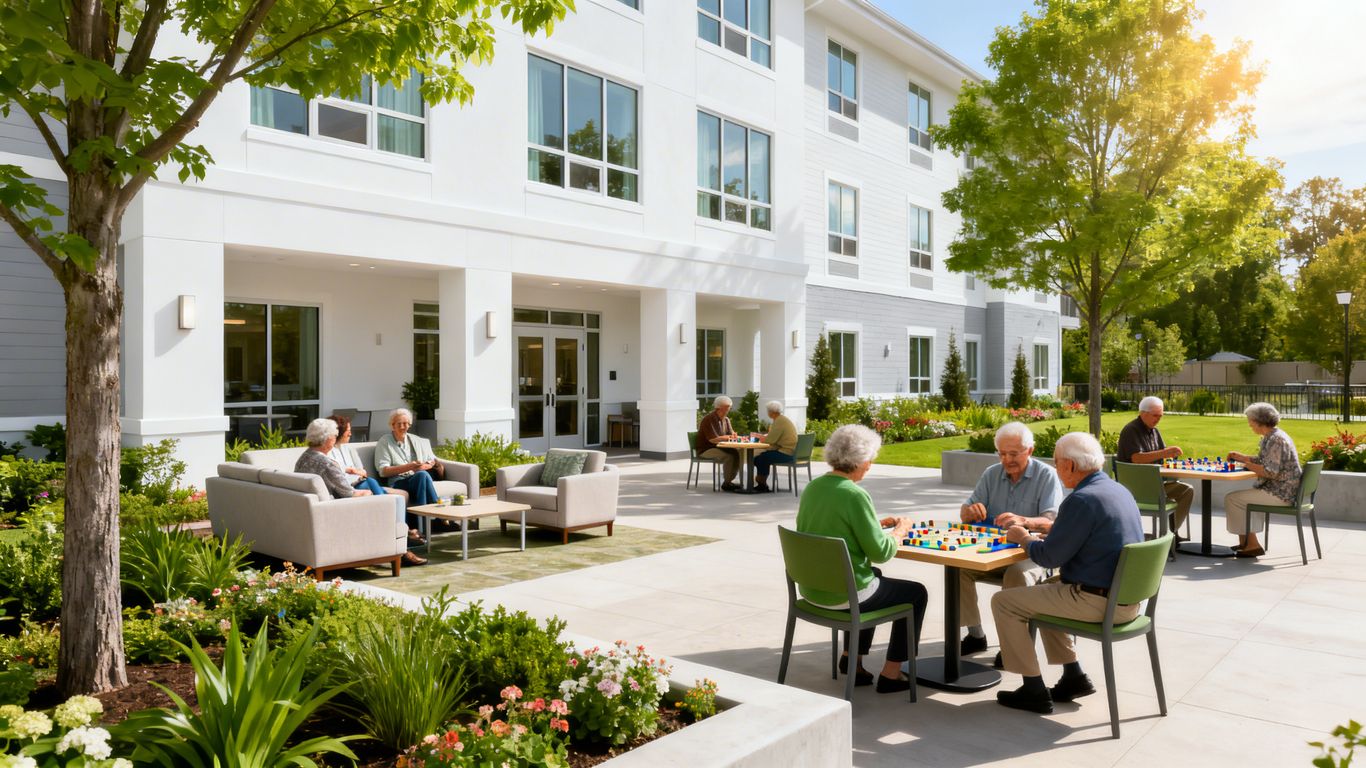
The seniors housing sector is entering a new era of growth, marked by a robust recovery in 2025 that has surpassed pre-pandemic occupancy levels. Experts anticipate this momentum will continue, potentially leading to a record-setting year for transaction activity in 2026. This resurgence is driven by fundamental demographic shifts and improved operational sophistication.
Key Takeaways
- Seniors housing occupancy rates have recovered and exceeded pre-pandemic levels, reaching 93% by the end of 2025 and projected to hit 95% by the end of 2026.
- Strong demographic trends, particularly the growing 80-plus population, are fueling demand and rent growth.
- Western Canadian markets like British Columbia and Alberta, especially metropolitan areas, are attracting significant investor interest.
- The perceived risk between seniors housing and traditional apartments is narrowing due to increased operator sophistication and improved governance.
- 2026 is expected to be a landmark year for new development and transaction activity in the sector.
A Sector Rebounding Stronger Than Ever
After facing significant challenges during the COVID-19 pandemic, which saw occupancy rates plummet, the seniors housing sector has demonstrated remarkable resilience. Sean McCrorie, vice-chair and practice leader for Cushman & Wakefield Ltd.’s seniors housing and health care team in Canada, notes that the sector has not only recovered but has entered a "new phase of growth." Occupancy rates, which fell to the low to mid-70s in early 2021 from a pre-pandemic high of 92% in late 2019, closed 2025 at 93% and are expected to reach 95% by the end of 2026. This recovery extends to rent growth and investment appetite, signaling a return to pre-pandemic performance metrics and beyond.
Driving Forces Behind the Growth
The sustained demand for seniors housing is underpinned by powerful demographic trends. The population aged 80 and over, a key demographic for seniors housing, is now growing at an annual rate of approximately 4%, a significant increase from the 2% growth rate observed a decade ago. This expanding demographic base is a primary driver of rent growth, a factor that has become less certain in conventional multi-family rental markets.
Investment Hotspots in Western Canada
Investors are increasingly focusing on British Columbia and Alberta, particularly in metropolitan centers like Victoria, Vancouver, Calgary, and Edmonton. While Victoria and Vancouver offer higher demand, Calgary and Edmonton provide more opportunities for development. McCrorie highlights that national investors often seek exposure to these Western Canadian provinces, with capital frequently originating in Ontario and expanding westward. The ability to achieve critical mass within a region is crucial for operational efficiency, making provinces like British Columbia and Alberta attractive for building substantial portfolios.
Addressing Sector Complexity and Risk
Seniors housing is a complex asset class, blending elements of multi-family residential, hospitality, and healthcare. This complexity has historically made lenders cautious. However, the gap in perceived risk between seniors housing and traditional apartments is narrowing. McCrorie points to the increased sophistication of seniors housing operators, improved governance, and enhanced reporting as factors that have de-risked the asset class, leading to more predictable and stable returns.
Outlook for 2026 and Beyond
The primary question for the sector moving forward is the ability to spur much-needed new development. Despite this, optimism remains high, with 2026 anticipated to be a significant year for transaction activity, potentially setting new records.