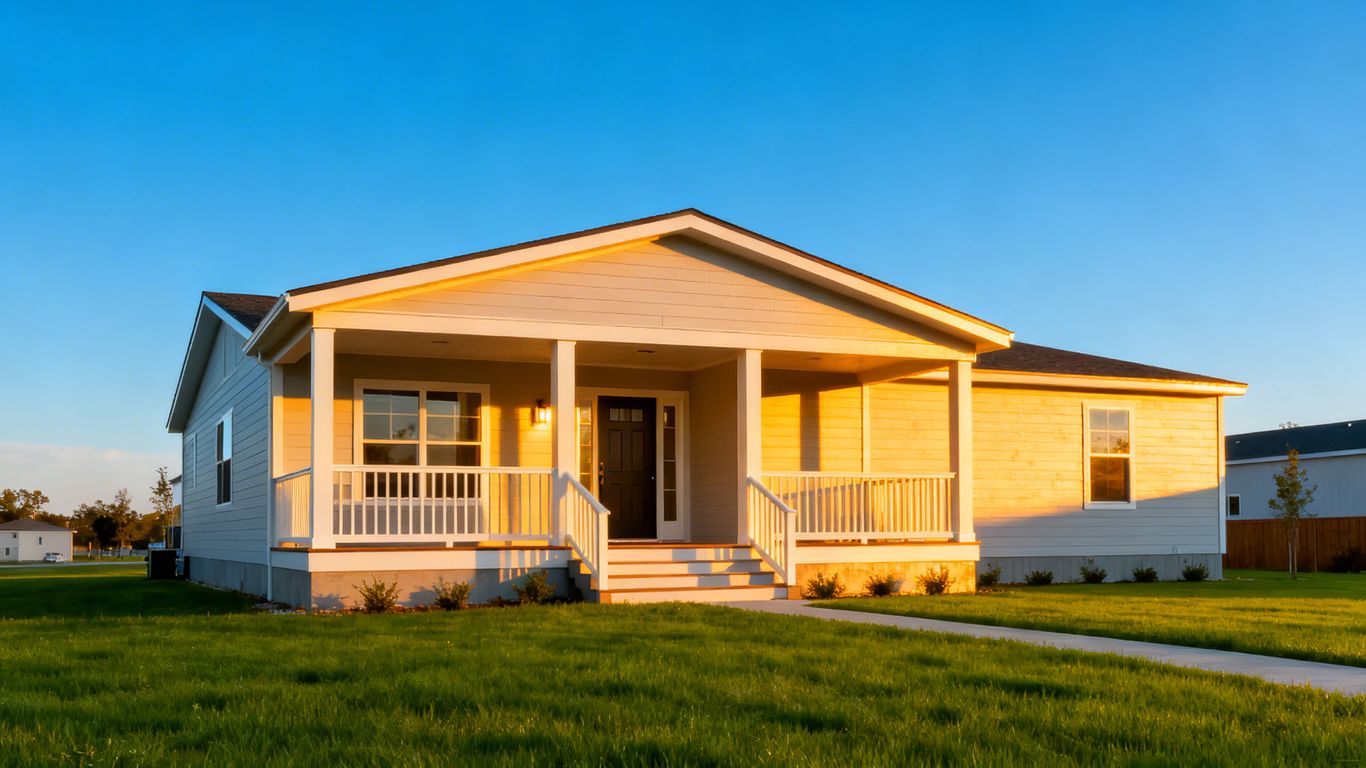
Owning a manufactured home in a park offers a practical and often more affordable route to homeownership in British Columbia, especially as traditional housing prices soar. This housing option, however, operates under a distinct set of rules governed by the Manufactured Home Park Tenancy Act, differentiating it significantly from conventional real estate.
Key Takeaways
- Manufactured homes offer lower upfront costs compared to traditional homes.
- Ownership involves buying the structure but leasing the land (pad rent).
- The Manufactured Home Park Tenancy Act provides tenant protections but has enforcement limitations.
- Financing can be more complex than for standard properties.
- Owners are solely responsible for all home repairs and maintenance.
Understanding Manufactured Home Ownership
Unlike traditional real estate where you own both the structure and the land, owning a manufactured home in a park means you purchase the home itself while entering into a long-term tenancy agreement for the land it occupies. This land is owned by the park operator, and you pay monthly "pad rent" or "site rent" for its use. The Manufactured Home Park Tenancy Act governs this arrangement, setting rules for rent increases, notice periods, maintenance standards, and eviction procedures, offering a layer of protection against arbitrary changes by the park owner.
Financial Advantages and Considerations
The primary appeal of manufactured homes is their affordability. They typically cost significantly less than condos or townhouses, making them accessible for retirees, first-time buyers, and those seeking simpler living. Monthly costs often include pad rent (ranging from $400 to over $850), utilities (which may or may not be included), and property taxes, which are generally lower due to the absence of land ownership. Insurance premiums can also be more reasonable, though factors like home age and location can influence costs. Many owners find their total monthly expenses are less than typical strata fees.
Navigating Financing and Maintenance
Securing traditional mortgages for manufactured homes can be challenging, with lenders sometimes imposing shorter amortization periods, requiring larger down payments, or refusing older units. A significant hurdle is that park operators are not obligated to cooperate with lenders, potentially requiring new buyers to sign a fresh tenancy agreement with higher pad rent. Maintenance and repairs are entirely the responsibility of the homeowner, covering everything from the roof to the plumbing. While this means no surprise special assessments, it requires diligent budgeting for upkeep. Well-managed parks enforce appearance standards, which helps maintain property values and neighborhood aesthetics.
Comparing Ownership Models
Manufactured home park living offers a unique balance. Compared to freehold ownership, it's more affordable upfront but lacks land equity and involves permanent pad rent. It provides freedom from strata council disputes and escalating fees but places all maintenance responsibility on the owner. It's generally easier to sell than co-ops or leaseholds, with lower costs and more lifestyle flexibility. It also avoids the complexities of rural land ownership, such as water rights and road access issues, though the risk of the park owner selling to a developer remains.
The Bottom Line
Manufactured homes in parks represent a smart choice for many in a challenging housing market. The Manufactured Home Park Tenancy Act provides essential guardrails, ensuring a degree of stability and fairness. For thousands in British Columbia, this blend of affordability, simplicity, and community living is an ideal fit. As with any homeownership path, thorough research, understanding the governing act, and speaking with current residents are crucial steps to finding the right home.