
Your Pitt Meadows home-buying journey starts here. Buying your first home in Pitt Meadows isn't just about finding a place that looks right on a showing day. It's about understanding the local conditions that can affect your financing, insurance, future plans, and day-to-day life long after you get the keys.
That matters more here than in many suburban markets. Pitt Meadows has a mix of established neighbourhoods, rural pockets, flood-prone land, ALR restrictions, and commuting realities that can change the value of one street to the next. The city also has a very specific housing mix. In the 2016 housing stock, single-detached homes made up 42.6%, low-rise apartments 22.7%, and townhouses 18.2%, according to the City of Pitt Meadows Housing Needs Report. For many first-time buyers, that means the path into ownership often starts with a condo or townhouse rather than a detached house.
The affordability piece is real too. MoneySense reported Pitt Meadows' average home price at $1,142,600 by March 2022 in its Fraser Valley market review, which helps explain why first-time buyers need a sharp plan before they shop. If you're still sorting out the financing side, start with understanding home loan credit requirements.
These are the key considerations for first-time home buyers in Pitt Meadows that affect purchase decisions on the ground.
1. Understanding Pitt Meadows' Agricultural Land Reserve restrictions

A lot of first-time buyers see a larger lot, a quieter setting, and a lower asking price relative to other properties, then assume they're getting more flexibility. In Pitt Meadows, that assumption can create expensive disappointment if the property sits in the Agricultural Land Reserve.
ALR land can be a good fit, but only if you buy it for what it is. Many buyers love the open space around South Pitt Meadows, areas near Pitt Lake, or stretches along roads with more rural character. What they don't always realize is that ALR status can affect subdivision potential, accessory structures, additions, and the way you use the land over time.
What first-time buyers often miss
The trade-off is straightforward. You may get more land or a more rural setting, but you usually get less freedom to change the property than you would on a typical suburban lot. That's where first-time buyers get caught. They buy for future plans that the property may not support.
A common example is the buyer who wants room now, then hopes to add a large shop, build out extensively, or create a different use later. On some ALR properties, those plans may face restrictions that aren't obvious from listing photos or casual conversation.
Practical rule: Never assume land value equals development freedom in Pitt Meadows. On ALR property, those are two different questions.
Before you write an offer, ask your agent to confirm the property's status and whether your intended use matches the rules. If you're at the browsing stage, it's worth reviewing the home-buying process with a local brokerage that understands rural and suburban inventory. Brookside's guide to buying a home in Pitt Meadows and Maple Ridge is a useful place to start.
How to approach an ALR property properly
Buyers do better when they treat ALR purchases as a lifestyle decision first and an upside play second. If you want privacy, space, agricultural surroundings, and a slower pace, the fit can be excellent. If your main goal is future redevelopment or major lot changes, you need to verify every assumption before you get emotionally attached.
Use this standard before moving ahead:
- Confirm designation early: Ask for confirmation of ALR status before conditions are drafted.
- Match the property to your plans: If you want flexibility for additions, secondary uses, or long-term changes, verify what's allowed in writing.
- Bring in legal review: Your lawyer should review any title, land use, or restriction issue that could affect future use.
- Check municipal context: Speak with the City planning department about the specific parcel, not just the general area.
Properties on roads like Rannie Road or in more rural pockets can look similar on paper, but the practical use can differ a lot. In Pitt Meadows, that's not a small detail. It's a buying decision.
2. Flood risk assessment and flood plain proximity
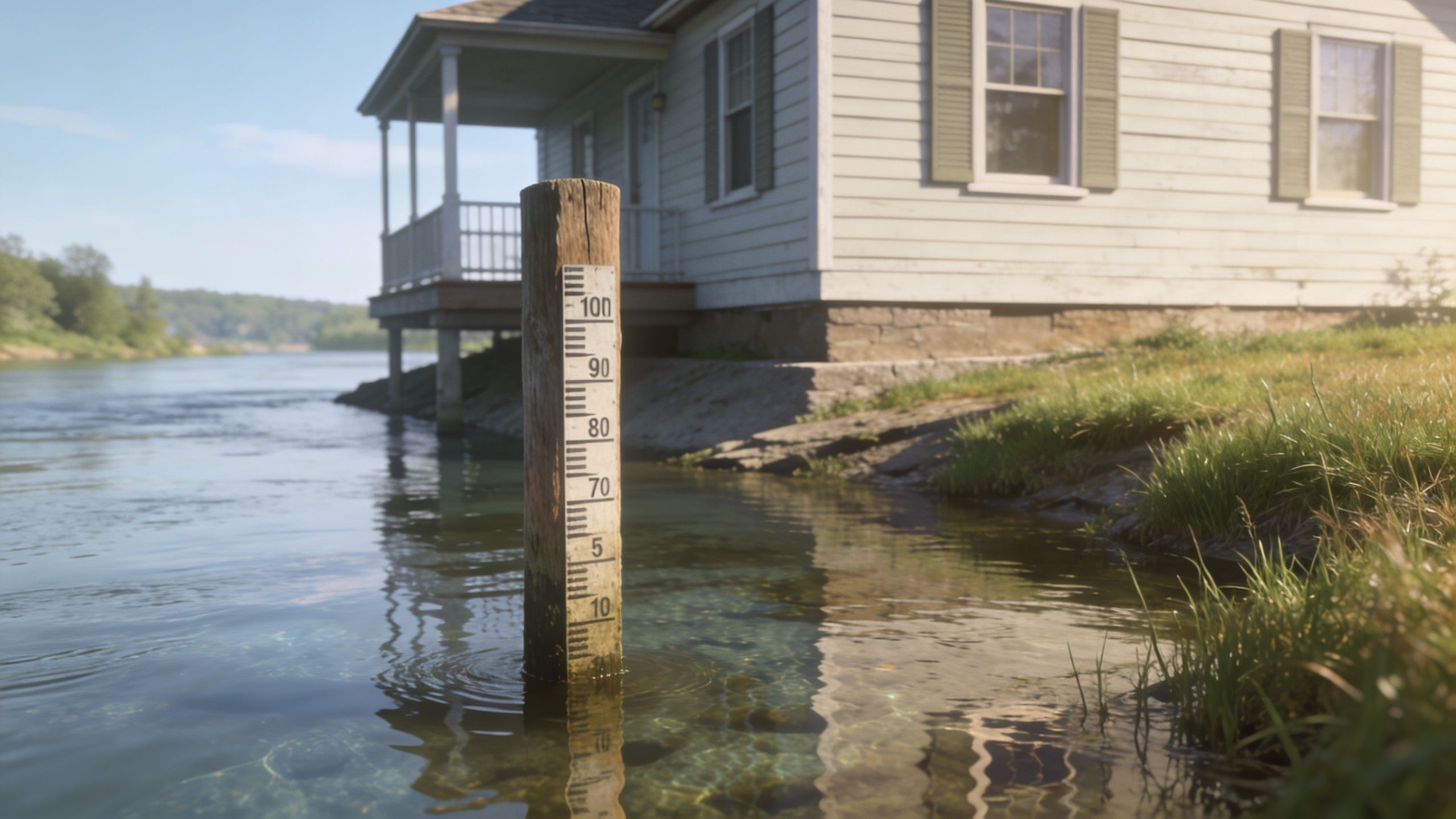
Flood risk isn't a side note in Pitt Meadows. It's one of the first filters I would apply before a first-time buyer gets too far into a property search.
The community's geography is part of its appeal. Rivers, dikes, open land, and mountain views give Pitt Meadows a setting many buyers love. They also create very real differences in risk between one property and another. A home near the Pitt River, Alouette River, or low-lying land can come with a different insurance conversation than a newer property in an area with less exposure.
Why this matters before you offer
Insurance has become part of the affordability discussion, not just a closing detail. Verified market guidance notes that premiums in high climate-risk areas are 82% higher, which is exactly why first-time buyers shouldn't wait until after acceptance to ask about insurability or flood coverage as noted in the MoneySense-based market summary.
That affects more than monthly costs. It can shape lender comfort, your emergency planning, and resale appeal later. A home that feels like a bargain at first glance can become much less attractive once insurance terms are clear.
Get the insurance picture before you fall in love with the kitchen.
In practice, buyers should request flood-related disclosures, review local flood plain context, and ask their insurer for a quote tied to the exact address. General estimates aren't enough. One street can be manageable. The next one can be a very different file.
If you want to organize financing, carrying costs, and due diligence in one place, Brookside's real estate tools and calculators can help you pressure-test the numbers before subjects are removed.
A better way to judge risk
Don't reduce flood review to a yes or no question. Look at it as a stack of factors:
- Location exposure: Is the property near a river, dike, or low-lying corridor?
- House design: Is the basement finished, raised, or vulnerable to water entry?
- Insurance terms: What does your insurer exclude, price differently, or require?
- Future resale: Will a future buyer react the way you are reacting now?
A practical example is the buyer comparing a home in a more exposed part of South Pitt Meadows with a newer home north of Highway 7. The first may offer lot size or rural character. The second may offer a simpler insurance path and less uncertainty. Neither is automatically right. But the trade-off should be explicit before you commit.
3. Property septic systems versus municipal sewer access
A septic system isn't a deal breaker. For the right buyer, it's just part of owning a home in a semi-rural or rural setting. The problem starts when a first-time buyer treats septic like a minor utility difference rather than a private system they'll be responsible for.
In Pitt Meadows, this comes up regularly on acreage properties and on homes in areas where municipal servicing isn't as straightforward as buyers expect. I've seen purchasers focus heavily on kitchens, roofs, and mortgage approval, then leave wastewater questions until late in the process. That's backwards.
Septic isn't just maintenance. It's risk management
If a property is on septic, you need to know what type of system is in place, how old it is, whether it has been maintained, and whether there have been any performance issues. You also want records, not verbal reassurance.
The wrong approach is casual optimism. The right approach is inspection and paper trail.
A realistic buyer compares two homes this way. One property south of Highway 7 is on municipal sewer and likely offers simpler ownership from a servicing standpoint. Another property in a more rural corridor may have a private septic system and well, which can be perfectly workable, but it calls for a different due diligence standard.
What to verify before subjects come off
Use a specialist, not just a general home inspector, when the property has septic. Then build the likely costs into your ownership budget. Brookside's mortgage payment calculator is helpful for testing mortgage scenarios, but buyers should also leave room for property-specific servicing costs that don't show up in a lender pre-approval.
Focus on these questions:
- Inspection quality: Hire a certified septic professional to inspect the tank and disposal field.
- Maintenance records: Ask the seller for pumping and service history.
- System compliance: Confirm the system's status and whether any known issues exist.
- Site limitations: Understand where the field is and what that means for landscaping, parking, or future changes.
A lower purchase price doesn't help if the system problem shows up right after possession.
This is one area where first-time buyers often overestimate what title, disclosure, or a basic inspection will reveal. Septic systems can work unnoticed for years, or they can become a major issue if they haven't been maintained. Buy accordingly.
4. Commute patterns and Highway 7 connectivity
The map can make Pitt Meadows look easier than the daily drive feels. That's why commute testing matters.
Highway 7 is the main east-west link for many local buyers. If you work in Burnaby, Coquitlam, Vancouver, or other parts of the Lower Mainland, the property isn't just a home. It's also the start and end point of your week. A great layout loses appeal fast when the commute doesn't fit your life.
Your route is part of the property
Central Pitt Meadows appeals to buyers who want quicker access to main roads, shops, and everyday conveniences. Homes closer to on-ramps can make practical sense for frequent commuters, but some buyers trade away quiet for convenience without really measuring that cost.
The opposite can happen in rural pockets. A property may feel peaceful and private during a daytime showing, yet add friction every morning because basic errands, school drop-offs, and work travel all take longer. That's not a flaw if you want the lifestyle. It is a flaw if you thought you were buying suburban convenience.
One useful comparison is how buyers think about connected communities nearby. Someone who likes access, established neighbourhood feel, and practical daily movement may also respond well to neighbourhood profiles such as West Maple Ridge living and amenities, even if they ultimately choose Pitt Meadows.
Test the life, not just the house
Smart buyers separate themselves. They don't just visit once on a Saturday afternoon. They drive the routes they will use.
Try the property in real conditions:
- Morning commute: Drive to work at the time you'd typically leave.
- Evening return: Test the route home when traffic and fatigue are real.
- Weekend errands: Time the trip to groceries, activities, and family visits.
- Noise check: Stand outside and inside the home during busy road periods.
A buyer working hybrid may accept a longer drive for more space. A buyer commuting five days a week usually regrets underestimating travel friction. Pitt Meadows can offer a strong balance between access and lifestyle, but only if the specific neighbourhood matches how you live.
5. School district quality and family-friendly amenities
Even buyers without kids should pay attention to schools and family amenities. In Pitt Meadows, they influence neighbourhood appeal, future resale, and the kind of daily rhythm a community has.
For buyers with children, the issue is more direct. You're not just buying square footage. You're buying routines. School access, parks, sports fields, and safe routes to everyday activities matter a lot more once you're living there.
Family fit shows up in small details
Some first-time buyers assume they'll "figure out schools later." That can lead to a purchase that works on paper but creates stress every weekday. Catchment, transportation, before- and after-school logistics, and the distance to recreation all shape whether a home feels easy or exhausting.
Central Pitt Meadows often attracts family buyers because of its practical access to schools, shopping, and community amenities. In more rural parts of Pitt Meadows, the property may offer more space, but school transportation and activity logistics can become more complicated.
Buyers often focus on the home size. Families usually end up caring just as much about the drive to school, the park, and the rink.
Maple Ridge and Pitt Meadows also share a broader regional lifestyle that many families want. Parks, trail access, youth sports, and community facilities are part of what keeps certain neighbourhoods in demand even when homes need cosmetic updating.
How to evaluate the area like a local
Don't rely on listing language like "close to schools" or "family friendly." Verify what that means in practice.
Use a simple field check:
- Confirm catchment directly: School boundaries can change, so verify them with the district.
- Visit at pickup time: You'll learn a lot about parking, traffic, and walkability.
- Check nearby recreation: Look at playgrounds, sports fields, and community spaces.
- Think ahead: If your household changes, will this location still work?
A practical example is the couple buying their first townhouse and planning for children in the next few years. If they choose a home based only on finishings and price, they may outgrow the location faster than the property itself. If they choose based on neighbourhood function, they often stay happier longer.
6. Municipal services and infrastructure investment capacity
Pitt Meadows has a smaller municipal footprint than some surrounding markets, and buyers should think about that in practical terms. Services, road conditions, drainage, water pressure, and capital improvements can vary more than first-time buyers expect.
This doesn't mean the city is a poor bet. It means you need to evaluate the specific area, especially if you're buying an older property or a home in a lower-lying or more rural location. The local servicing question is part of the asset.
Not every street delivers the same ownership experience
Older pockets can come with mature lots and character, but they may also come with older infrastructure and more questions around drainage or utility performance. Newer areas can feel simpler from a systems standpoint, though that doesn't remove the need to verify details.
This is especially relevant in a place where physical land conditions matter as much as they do in Pitt Meadows. Flood mitigation, road maintenance, and drainage are not abstract civic issues. They affect comfort, upkeep, and sometimes future buyer confidence.
If you're looking at a property where drainage, grading, site work, or servicing access could become part of a renovation plan, it's smart to understand physical constraints early and even get a sense of site work requirements through resources like residential excavation planning and quote options.
Questions buyers should ask before closing
A smart first-time buyer doesn't stop at property taxes and utility setup. Ask what ownership will feel like on that street.
Focus on:
- Drainage performance: Ask about standing water, runoff, and any known seasonal issues.
- Water and servicing: Clarify whether the home has municipal services, private systems, or a mix.
- Road and access conditions: Check how the area is maintained and how it feels in poor weather.
- Planned nearby work: Review municipal planning documents and ask about local projects.
Some of the best purchases in Pitt Meadows happen when buyers choose function over flash. A less-updated home on a well-understood street can be a safer first purchase than a prettier property with unresolved servicing questions.
7. Rural versus urban living balance and future development pressure
Pitt Meadows attracts buyers because it still offers something many parts of the region have lost. You can find open land, mountain views, agricultural character, and quieter streets without giving up regional access entirely. But that balance only works if you're clear about what kind of lifestyle you want.
Some first-time buyers say they want "Pitt Meadows" when they desire two different things at once. They want a country feel, but they also want quick errands, low-maintenance ownership, and no uncertainty about future growth around them. The right property depends on which side of that balance matters more.
Lifestyle fit comes before market theory
A home in a rural pocket can feel amazing if you value space, privacy, and separation from denser suburban growth. The same home can feel inconvenient if you want walkable errands, easier servicing, and a more conventional neighbourhood layout.
On the other hand, a home closer to the Highway 7 corridor or in a more built-up area may give you a simpler daily routine, but you'll likely trade away some of the quieter character that draws people to Pitt Meadows in the first place. That's not a compromise to fear. It's just the actual decision.
If you're comparing locations and want to see what's actively available across different parts of the community, Brookside's Pitt Meadows home search is a practical starting point.
Development pressure changes how a location ages
You don't need exact projections to think clearly about future change. What matters is understanding whether the area around your target property is likely to stay stable, intensify, or evolve in ways that affect noise, traffic, privacy, and resale perception.
A few buyer types illustrate the difference:
- The rural buyer: Values land, views, and lower-density surroundings. Usually accepts more maintenance and more driving.
- The practical commuter: Wants access first. Prefers neighbourhoods that simplify weekday life.
- The long-term planner: Cares about how nearby land use may affect value and lifestyle over time.
- The first-step buyer: Prioritizes getting into the market, often through a townhouse or condo that offers easier ownership.
The best first purchase in Pitt Meadows is rarely the one with the broadest fantasy appeal. It's the one that still fits after the novelty wears off.
7 Key Considerations for Pitt Meadows Homebuyers
| Topic | Implementation Complexity 🔄 | Resource Requirements ⚡ | Expected Outcomes / Impact ⭐📊 | Ideal Use Cases 💡 | Key Advantages ⭐ |
|---|---|---|---|---|---|
| Understanding Pitt Meadows' ALR Restrictions | High regulatory complexity; rezoning/removal rare (🔄🔄🔄) | Legal review, planning advice; low ongoing costs but limited capital upside (⚡⚡) | Lower purchase price; very limited development potential; preserves rural character (⭐⭐📊) | Buyers seeking farmland, agricultural income, or preserved rural setting | Affordable ALR land, protected green space, agricultural priority |
| Flood Risk Assessment & Flood Plain Proximity | Moderate technical assessment and permitting (🔄🔄) | Independent flood reports, insurance, mitigation (elevation, pumps), can be high cost (⚡⚡⚡) | Higher insurance/financing costs; safety/resale impacts unless mitigated (⭐⭐📊) | Riverside lifestyle seekers or investors willing to fund mitigation | Potentially lower prices; water access and scenic value if risks managed |
| Property Septic Systems vs. Municipal Sewer Access | Moderate compliance and inspection needs (🔄🔄) | Regular pumping, inspections, possible replacement costs; inspection expertise required (⚡⚡) | Lower purchase price but higher maintenance/liability and resale constraints (⭐⭐📊) | Buyers wanting larger rural lots or independence from municipal services | Independence from sewer fees; access to rural/acreage properties |
| Commute Patterns & Highway 7 Connectivity | Low operational complexity; variable with projects (🔄) | Time, vehicle/fuel costs; test routes and factor infrastructure plans (⚡⚡) | Commute time strongly affects daily life and property desirability (⭐⭐📊) | Commuters to Burnaby/Vancouver, reverse commuters, those prioritizing highway access | Direct regional access; strategic value near on-ramps |
| School District Quality & Family Amenities | Low–moderate (catchment research and visits) (🔄🔄) | Research, school visits, possible longer school commutes; program application effort (⚡) | Strong influence on resale and family suitability; stable demand in good catchments (⭐⭐⭐📊) | Families prioritizing programs, safe neighbourhoods, and amenities | Strong family amenities, specialized programs, supports property values |
| Municipal Services & Infrastructure Investment Capacity | Moderate–high planning and engagement complexity (🔄🔄🔄) | Review OCP, request municipal data; potential capital upgrades on properties (⚡⚡) | Affects water/roads/emergency services reliability and long-term value (⭐⭐📊) | Buyers weighing small-municipality costs vs. growth-area investment | Lower taxes, community focus, collaborative service arrangements |
| Rural vs. Urban Living Balance & Development Pressure | Moderate: zoning and OCP analysis required (🔄🔄) | Research OCP, neighborhood visits, long-term planning for appreciation (⚡⚡) | Determines lifestyle fit and divergent appreciation paths (⭐⭐📊) | Buyers choosing privacy and nature vs. growth-area access and appreciation | Wide choice of lifestyles; strategic growth corridors for appreciation |
Partnering with a local expert for your Pitt Meadows purchase
On paper, two Pitt Meadows listings can look equally suitable for a first-time buyer. In practice, they can lead to very different ownership costs, restrictions, and day-to-day routines.
That difference shows up quickly here. A house near the dike may raise flood insurance questions. A property on the edge of agricultural land may come with use limits that affect future plans. An older home outside full municipal servicing may bring septic or drainage issues that do not stand out in listing photos.
Local advice matters because Pitt Meadows is not a plug-and-play market.
Buyers need more than a tour and a price opinion. They need someone who reviews the title, servicing, location, and likely carrying costs with the same attention they give the kitchen and lot size. I regularly see first-time buyers focus on purchase price, then realize too late that insurance, maintenance, or property limitations change the true monthly cost of ownership.
I advise buyers to stay focused on payment comfort, not maximum approval. Lenders approve based on ratios. Owners deal with repairs, renewals, commuting costs, and the occasional surprise. In a market like Pitt Meadows, where flood plain considerations, ALR rules, and servicing differences can materially affect costs, that buffer matters.
Property type deserves the same practical lens. A townhouse can be the better first purchase if it offers predictable upkeep and fewer servicing unknowns. A detached home can be the better long-term move if the lot, location, and restrictions line up with how you plan to live and what you may want to do with the property later. Acreages appeal to many buyers, but for a first purchase, they often bring more complexity than people expect.
Good representation should test the property, not just the asking price.
That means asking hard questions early. Is the home on sewer or septic. Are there flood-related insurance concerns. Does the zoning or ALR status limit additions, secondary uses, or long-term flexibility. Those are the details that separate a manageable first purchase from an expensive lesson.
At Royal LePage Brookside Realty, we help buyers work through those trade-offs with clear expectations and local context. If your long-term plan may include keeping a property as a rental, Royal LePage Brookside Realty Property Management is one local resource to keep in mind, as noted earlier.
If you are preparing to buy in Pitt Meadows or Maple Ridge, get advice that reflects how this market functions. The right purchase is not just one you can close on. It is one you can live with comfortably, maintain realistically, and resell with confidence.