
So, you're ready to find the right real estate agent. The first step isn't just a frantic Google search—it's knowing exactly where to look. The best way to contact experienced realtors near me is to start smart: check local real estate boards, tap into your community network, and then build a solid shortlist.
This method takes you beyond generic search results and plugs you directly into a network of pros with a proven history right in your neighbourhood.
Your Guide to Finding Reputable Local Realtors
In a market as competitive as Vancouver or the Fraser Valley, a simple online search can feel like drinking from a firehose. The trick is to narrow your focus to genuine, local expertise.
Instead of getting lost in broad searches, a much better starting point is the websites for the Real Estate Board of Greater Vancouver (REBGV) or the Fraser Valley Real Estate Board (FVREB). These aren't just places to browse listings; they're goldmines for identifying the top-performing agents behind the sales in your target area.
This initial digging shows you which realtors are consistently closing deals right where you want to buy or sell. But online stats only tell part of the story.
Tap Into Hyper-Local Intelligence
Next, you need to gather some on-the-ground intelligence from your community. Honestly, this can be the most powerful way to find a professional you can actually trust.
Here’s where to look:
- Neighbourhood Referrals: Chat with neighbours who have recently bought or sold. They’ll give you the unfiltered story of their experience with an agent.
- Community Groups: Local Facebook groups or online forums for places like Maple Ridge or Pitt Meadows are often buzzing with discussions and recommendations for real estate pros.
- Local Business Owners: The folks who own the local coffee shop or hardware store are often incredibly well-connected and can point you toward agents they know and trust.
This simple process is your roadmap to finding a top-tier local agent.

When you combine official board research with real community insights, you build a powerful, well-rounded shortlist of potential partners.
This table breaks down the most effective channels for locating experienced real estate agents in your local area.
Where to Find Top Realtors in Vancouver and Fraser Valley
By using a mix of these methods, you get a much clearer picture of who the true local experts are.
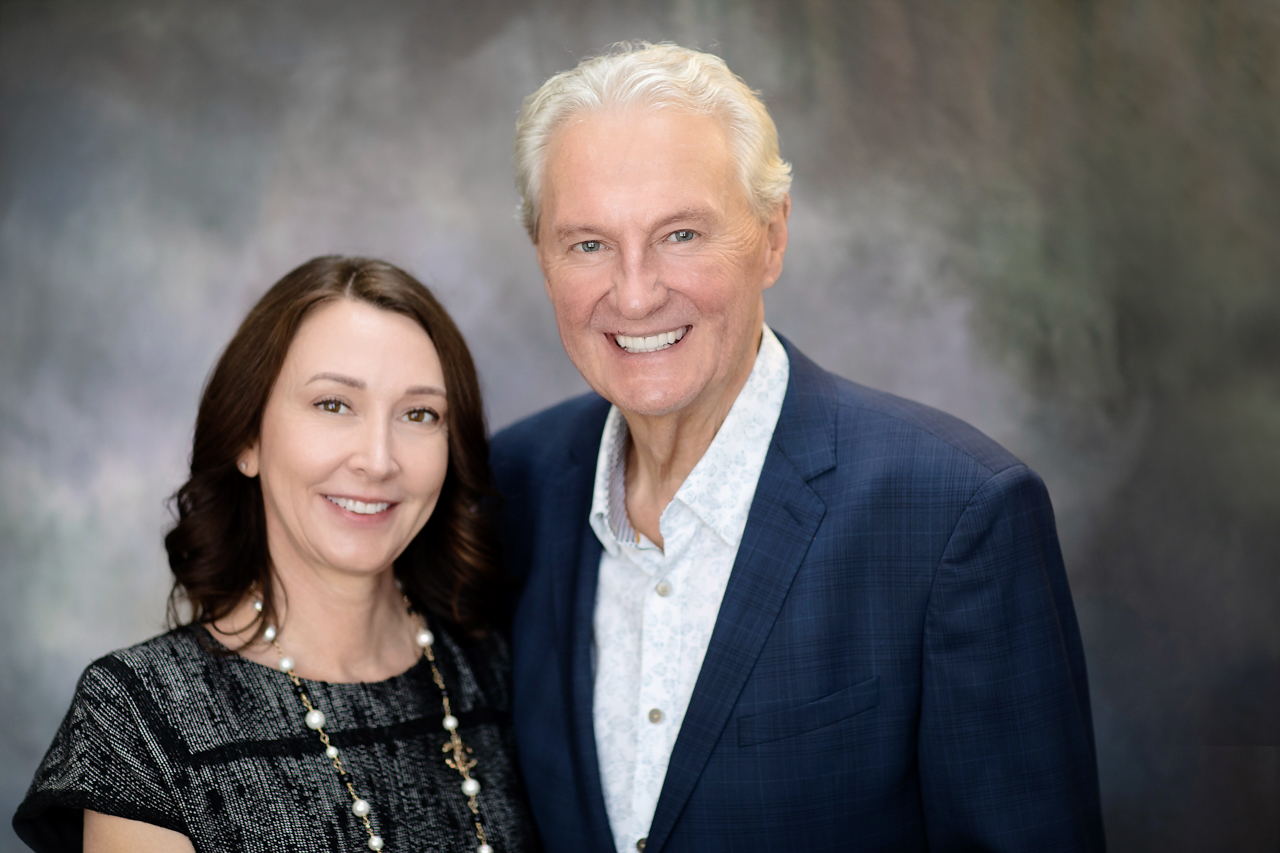
The goal here isn't to create a massive list, but to curate a small, vetted group of professionals. This approach helps you zero in on agents, like James and Nicole Isherwood, who have that invaluable, street-by-street market knowledge you need.
With British Columbia's housing market forecasted to see a rise in sales, expert guidance is absolutely critical. You can read the full forecast about the BC housing market from the BCREA.
By focusing your search locally, you move from a long list of names to a select few candidates who have demonstrated success where it matters most—your future community. This targeted approach saves time and significantly increases your chances of a successful partnership.
Once you have this shortlist, the next step is reaching out to make a confident and informed first impression. If you’re ready to connect with seasoned professionals in the Fraser Valley, you can start by getting in touch with our team for expert guidance.
How to Vet an Agent's Local Market Expertise
Alright, you’ve got a shortlist of potential agents. Now the real work begins. Vetting an agent’s local expertise is about more than just a quick glance at their website—it’s about doing a bit of digital detective work to confirm they have a deep, proven understanding of your specific corner of the Fraser Valley.

Start by digging into their history of sold listings. Are they consistently active in your target neighbourhood, like Maple Ridge or Langley? A true local pro will have a portfolio of recent, relevant sales that proves they know the local inventory, pricing trends, and community quirks inside and out.
This is the key difference between a generalist who dabbles across Metro Vancouver and a dedicated local expert. An agent with deep roots in a specific area brings a level of insight that you just can't fake.
Look for Signs of True Specialization
Beyond just sales volume, look for proof that an agent is truly invested in the community. Their website and social media should be filled with content specific to your area, not just generic real estate advice that could apply to anywhere.
Here’s a quick checklist for what to look for:
- Recent and Relevant Sales: Find properties they've sold in your neighbourhood within the last 6-12 months.
- Property Type Alignment: Make sure they have a track record with homes similar to yours (e.g., condos, townhouses, or detached single-family houses).
- Hyper-Local Content: Do they blog about local events, market shifts in your city, or specific neighbourhood developments?
This research helps you build confidence that you’re choosing someone who provides guidance backed by real-world data, not just guesswork. You're looking for professionals, like James and Nicole Isherwood, who live and breathe the local market. A truly experienced realtor will also stress the importance of crucial steps in the buying process, like getting a thorough guide to pre-purchase inspections.
Verifying Credentials and Client Feedback
Your next step is to look for social proof. Credentials and client testimonials open a window into an agent’s professionalism and their actual track record with real people. Look for industry designations that show they've put in the work to get advanced training.
But let’s be honest, client feedback often tells the most compelling story. Don't just count the five-star ratings; read what people actually wrote. Do clients mention the agent's sharp negotiation skills, their constant communication, or their knack for solving problems? Those detailed reviews give you invaluable context.
A strong portfolio of positive feedback is a powerful sign of an agent's ability to deliver. It shows they not only get results but also create a positive experience for their clients from start to finish.
You can see what strong client relationships look like by checking out testimonials from satisfied homeowners. Ultimately, this whole vetting process is about confirming that the agent you choose has the experience, skills, and local knowledge to guide you through your transaction. Once you've confirmed that, you’re ready to make that first important contact.
Making a Memorable First Impression
How you kick things off can set the entire tone for your relationship with a realtor. In a bustling market like the Fraser Valley, a top agent's most valuable asset is their time. A clear, professional, and well-thought-out first contact shows you’re a serious client, and that immediately helps them prioritize you.
Whether you decide to pick up the phone or type out an email, your goal is to cut through the noise. You want to quickly introduce yourself, state what you’re looking to do, and explain why you’ve chosen them specifically. This simple act of preparation signals that you’ve done your homework and you're ready to get started.
Crafting a Professional First Email
Email is often the best way to make a detailed, thoughtful introduction. It gives the agent a chance to review your situation before they respond and creates a handy written record of your conversation. A great first email is concise but packed with just enough information to show you respect their time.
I find the best emails have three key parts:
- A Clear Subject Line: Something direct like "Inquiry from a Potential Home Seller in Maple Ridge" or "Seeking Buyer's Agent for Pitt Meadows" works perfectly.
- A Brief Introduction: State who you are, whether you're buying or selling, and your general timeline. Add a personal touch if you can, like, "I saw your recent sale on 240th Street and was very impressed."
- A Call to Action: Propose a clear next step. Suggesting a brief 15-minute call to chat about your goals is a great way to move things forward.
This approach immediately positions you as an organized and serious client. It’s a simple strategy to stand out from the dozens of vague inquiries that experienced realtors get every single week.
Making an Effective First Phone Call
If you prefer a more direct approach, a phone call can be incredibly effective. The key is to be prepared with a brief script so you don't find yourself rambling. Remember, the goal isn't to have a full consultation right then and there, but to schedule one.
Here’s a simple framework that works wonders:
"Hi, my name is [Your Name]. I was referred by [Name] / I found your work online and was impressed with your sales history in the Albion area. I'm looking to sell my home this fall and would like to schedule a time to discuss your process. Are you available for a brief chat later this week?"
This script is respectful, direct, and shows you’re a proactive client. Before you hang up, just confirm the date, time, and what you should expect during the consultation.
Choosing the right way to reach out depends on your style and what you're trying to accomplish.
Choosing Your Initial Contact Method
Ultimately, picking a method you're comfortable with and preparing your message is what counts.
Your first contact is all about showing you are prepared. When you're evaluating agents online, don't forget that their photo is often your very first impression. For some great insights on what makes for an impactful visual introduction, you can explore strategies for the best real estate agent headshots that help build trust from the get-go.
Whether you're selling your property and need a clear valuation, or buying your first home, this initial step sets the stage for a successful partnership. For sellers ready to understand their property's current market value, a professional assessment is the perfect next step. You can get a free home evaluation to begin the process with confidence.
Essential Questions for Your First Meeting
That first sit-down with a potential realtor is your chance to interview them for a hugely important role. If you walk in prepared with the right questions, you can cut right through the sales pitch and get a real sense of their strategy, their expertise, and how they actually operate. This meeting is your best shot at figuring out if their professional style is going to click with your personal goals.

This conversation isn't just about ticking boxes on an experience checklist; it’s about seeing how they think. In a fast-moving market like the Fraser Valley, you need a partner who offers sharp strategic advice, not just someone who unlocks doors or puts your home on the MLS®.
Uncovering Their Strategy and Market Knowledge
Your questions need to be specific enough that they can't be answered with a simple "yes" or "no." You're digging for detailed responses that prove they have genuine, on-the-ground local insight.
- For Sellers: Ask, "What are your specific marketing strategies for a home like mine in the current Fraser Valley market?" A great agent, like James or Nicole Isherwood, will immediately start talking about professional photography, targeted digital ad campaigns, and how they'll leverage their network of buyers—not just mention a lawn sign.
- For Buyers: Try, "How do you uncover off-market or upcoming listings for buyers in a competitive area like Vancouver?" Their answer will show you if they’re proactively hunting for opportunities or just reacting to what pops up online.
These kinds of questions force them to show you their unique value. Understanding their detailed approach to selling your home is absolutely critical before you make any kind of commitment.
An experienced realtor won't just tell you what they do; they’ll show you how they think. Their ability to outline a clear, customized plan for your specific situation is a strong indicator of their competence and dedication.
Discussing Commissions and Support
Talking about money upfront is the only way to build a transparent, trusting relationship. Don't be shy about asking for a clear breakdown of their fees and exactly what those costs cover.
Here in British Columbia, the typical commission structure is 7% on the first $100,000.00 of the sale price and 3.5% on the balance. This total fee is usually split between the buyer's and seller's brokerages. It's crucial to confirm this is the structure they use and to understand the full list of services included for that fee.
Beyond the money, you need to know who you’ll be working with day-to-day.
- Who will be my main point of contact through this whole process?
- What kind of administrative or marketing support does your brokerage provide?
- How do you prefer to communicate—text, email, or phone—and what are your typical response times?
Understanding the team and resources an agent has behind them gives you a much fuller picture of the support you’ll receive. For example, expert real estate agents and salespeople like James and Nicole Isherwood often have a powerful network of professionals at their fingertips, from mortgage brokers to home inspectors, which can be a huge advantage.
This first meeting really sets the foundation for your entire real estate journey. By asking the right questions, you can confidently choose a professional who has the skills, strategy, and communication style to help you win.
How to Spot Red Flags Before You Ever Sign a Thing
Knowing what to look for when you're interviewing real estate agents is important, but knowing what to avoid is just as critical. That initial conversation is your best shot at spotting potential trouble before you're locked into a contract. A few tell-tale signs can signal a bad fit, saving you a world of frustration and money down the road.
One of the biggest red flags is slow or sloppy communication from the get-go. If it takes an agent days to return your first call or they send back one-line, unhelpful emails, that’s not a good sign. It's a preview of exactly what you can expect when things get complicated. A real pro respects your time and makes clear communication their absolute priority.
Another massive warning sign? Vague, generic answers about your actual neighbourhood. When you ask about recent sales on your street in Maple Ridge or market trends in the Fraser Valley, you need a confident, data-backed response—not fluffy market chatter.
The "Green Flags" of a Genuinely Great Realtor
On the flip side, an excellent agent—someone like James or Nicole Isherwood—will show clear "green flags" that build trust right away. These are the positive signals that tell you you're in truly capable hands.
Keep an eye out for these signs of a top-tier professional:
- They're Proactive With Updates: They don't make you chase them for information. A great agent sends regular, unsolicited updates on market activity, buyer feedback after a showing, or new listings that match what you're looking for.
- They Show Up With a Strategy: They walk into your first meeting with a comparative market analysis (CMA) already prepared and a clear, customized game plan for selling your home or finding you a new one.
- They Give You the Straight Goods: They aren't afraid to have honest conversations, even when the news isn't what you hoped to hear. This includes frank discussions about pricing your home realistically, its current condition, and what to expect timeline-wise.
These positive signs show you've found an agent who is ready for a real partnership, not just chasing a quick commission.
Your gut instinct is a powerful tool here. If a conversation feels off or you feel like you're being pressured to sign an agreement on the spot, it's a huge sign to step back and think it over. The best agent-client relationships are built on mutual respect from day one.
As you compare the agents you've met, lay out these green and red flags side by side. A professional like James or Nicole Isherwood will consistently show the qualities of a trusted advisor, making your choice feel confident and clear. Their entire business is built on strong client relationships, which means you’ll feel supported and in the loop every step of the way.
Got Questions? We've Got Answers
Jumping into the real estate market in the Fraser Valley and Vancouver can feel like learning a new language. It’s completely normal to have a few questions swirling around, so here are some straightforward answers to the ones we hear the most.

What’s the Deal with Realtor Commissions in BC?
It’s one of the first things people ask. Here in British Columbia, the standard commission structure is 7% on the first $100,000.00 of the home's sale price and 3.5% on the balance.
A lot of people think that all goes into one agent's pocket, but that's not how it works. That total commission is split between the brokerage for the seller and the brokerage for the buyer. It’s always a good idea to chat about the commission and exactly what it covers during your first meeting.
How Fast Should a Realtor Get Back to Me?
When you first contact experienced realtors near me, their response time is a huge tell. You want someone who is on the ball. In a perfect world, a great agent will reply to an email or a contact form within one business day.
If you’re still hearing crickets after 48 hours, that could be a red flag. It might be a sign they won't be as responsive as you need them to be when things are moving quickly.
Should I Talk to Multiple Agents at Once?
Yes, absolutely. Think of it like you're the hiring manager for a really important job—because you are. It’s a smart move to research and reach out to two or three qualified realtors at the same time.
Contacting a few agents allows you to directly compare their market knowledge, communication styles, and proposed strategies. This comparative approach empowers you to make the most informed decision for your needs.
This way, you can see whose approach and personality really clicks with you before you commit.
What's the Difference Between a Realtor and a Real Estate Agent?
While both are licensed pros who help people buy and sell property, a REALTOR® is a member of the Canadian Real Estate Association (CREA). This isn't just a title; it means they've committed to a strict Code of Ethics and standard of practice.
That commitment gives you an extra layer of professionalism and accountability. When you work with a REALTOR®, like James and Nicole Isherwood, you’re partnering with someone held to a higher ethical standard. For a deeper dive, check out our guide to buying a home in the Fraser Valley.