
The 2025 Radon Gas Public Awareness Campaign is launching in British Columbia on November 1st, aiming to educate the public about the silent threat of radon gas. This initiative is particularly championed by Chilliwack Realtor Jill Hall, who turned a personal health crisis into a mission to save lives.
Key Takeaways
- Radon is a colorless, odorless gas that is the leading cause of lung cancer in non-smokers.
- Testing for radon is crucial, as existing maps may not accurately reflect local risks.
- The campaign aims to increase awareness, encourage testing, and provide resources for mitigation.
A Personal Battle Against a Silent Killer
Jill Hall's journey into radon awareness began tragically with the death of her beloved cat from lung cancer. The true extent of the danger became starkly clear when Hall herself was diagnosed with radon-related lung cancer, despite being a non-smoker. This personal experience has fueled her dedication to sounding the alarm about the health risks associated with unchecked radon gas in homes and buildings across Chilliwack and beyond.
The Radon Gas Public Awareness Campaign
For the second year, the B.C. Real Estate Association has partnered with the BC Lung Foundation and the Real Estate Foundation of BC, along with B.C.'s eight real estate boards, to present the 2025 Radon Gas Public Awareness Campaign. This collaborative effort seeks to combat the dangers of radon, a radioactive gas that forms from the natural breakdown of uranium in soil, rock, and water. It can seep into homes through cracks and openings in foundations, building up to potentially harmful concentrations.
Understanding the Risks and Taking Action
Radon gas can cause damage at the cellular level in the lungs. While it significantly increases the risk for smokers, it is the primary cause of lung cancer in non-smokers. Hall emphasizes the need for myth-busting, as many people are unaware of the risks or believe their area is unaffected. "If you think you live in an area that does not have high radon levels, it is because it has not been tested for radon," Hall stated, highlighting that existing radon maps are not always accurate.
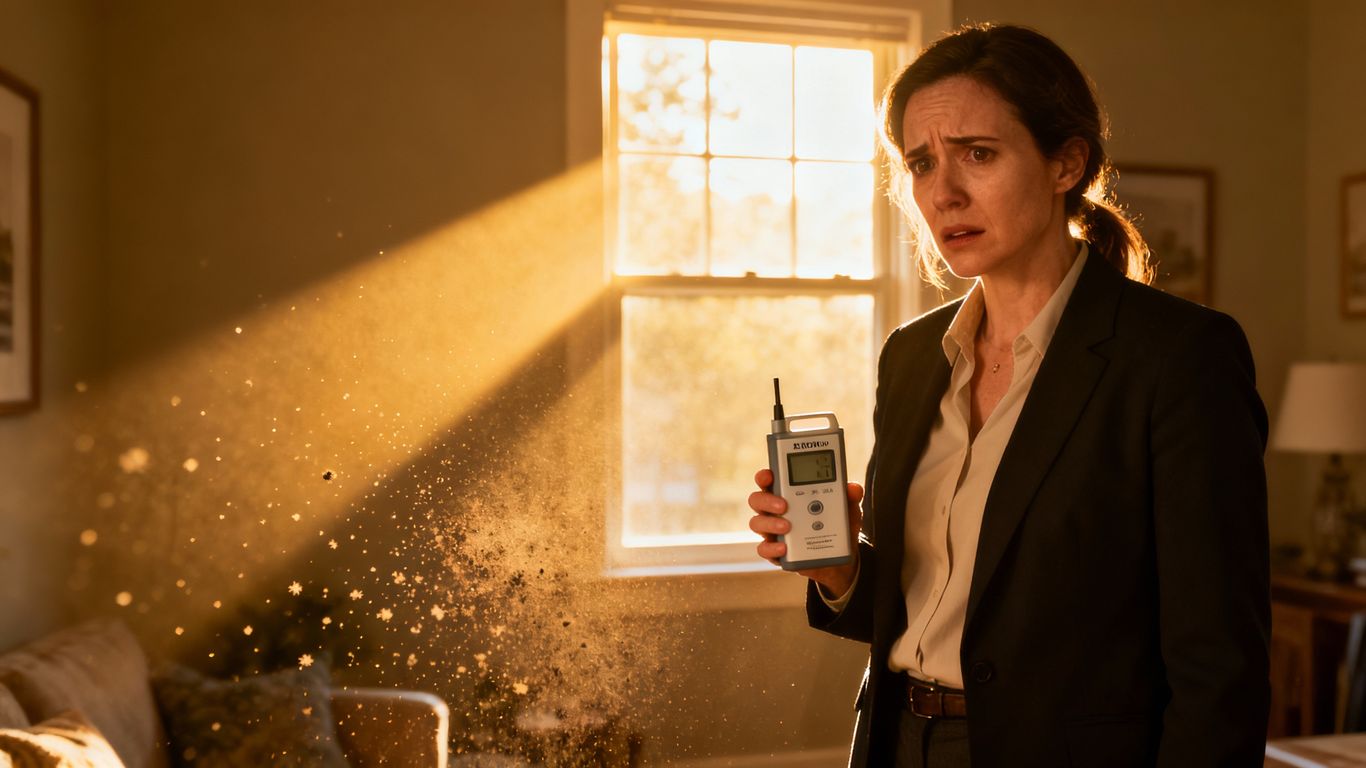
The Canadian guideline for taking action to reduce radon in indoor air is 200 Bq/m³ (becquerels per cubic metre). Hall's own home previously averaged 200 Bq/m³. Testing for radon concentrations is made accessible through radon detectors, which can be purchased or even borrowed from local libraries, such as the Fraser Valley Regional Library.
Campaign Goals and Resources
The campaign has three primary objectives:
- Increase awareness of radon gas and its associated threats to British Columbians.
- Encourage the purchase of radon test kits and the performance of residential radon testing.
- Direct the public and real estate professionals to RadonKills.ca/BC for comprehensive information.
Realtors and real estate professionals are being educated about radon's health risks and the importance of sharing this vital knowledge. Home sellers are also reminded of their obligation to disclose any known high levels of radon on property disclosure statements. Hall is a strong advocate for this campaign, believing that "knowledge about radon will save lives."