
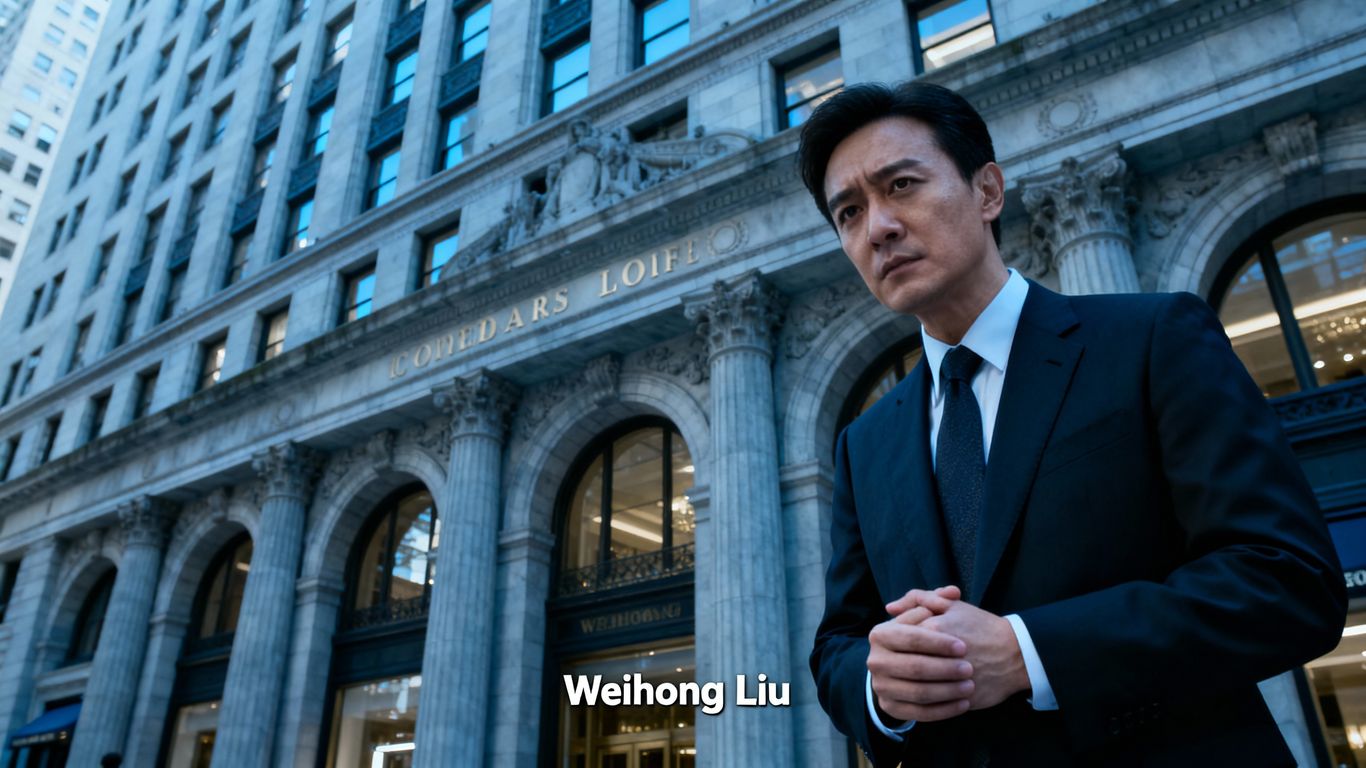
An Ontario judge has thwarted B.C. billionaire Weihong Liu's ambitious plan to acquire 25 Hudson's Bay leases for a new department store. The ruling marks the end of a protracted dispute involving prominent real estate firms and leaves Liu's company's financial viability and business strategy under scrutiny.
Key Takeaways
- Ontario Superior Court Justice Peter Osborne ruled Liu's business plan "deficient" and her company's assessment of lease obligations inadequate.
- The court found Liu's $375-million equity commitment insufficient to fund the new department store and deemed the financial projections unreasonable.
- Liu, who plans to appeal, expressed feelings of hurt and questioned the fairness of the court's decision.
- Concerns were raised about the lack of retail experience within Liu's senior management team.
Court's Decision and Reasoning
Ontario Superior Court Justice Peter Osborne delivered a decisive blow to Weihong Liu's attempt to take over 25 Hudson's Bay leases. The judge cited a "deficient" business plan and found that Liu's company "fell well short of a reasonable standard" in evaluating its capacity to meet the lease obligations. Osborne agreed with landlords that Liu's $375-million equity commitment was unlikely to adequately fund the proposed new department store. Furthermore, the projected financial outlook was deemed unreasonable, with the business plan described as "high-level and conceptual," lacking a deep understanding of the required work and associated costs.
The Transaction and Liu's Ambitions
The court order signifies the failure of Hudson's Bay's effort to transfer its leases to Liu, the chairwoman of mall owner Central Walk. This transaction, valued at $69 million, was part of Hudson's Bay's strategy to recoup over $1 billion in debt for its creditors. Liu, a self-made entrepreneur who immigrated from China, had previously acquired three malls in British Columbia that housed Hudson's Bay stores. In June, she paid $6 million to secure the leases as part of Hudson's Bay's real estate asset sale.
Liu's Reaction and Appeal Plans
In a statement to The Star, Liu declared her intention to appeal the ruling, expressing feelings of hurt and confusion. "I obviously don't understand and feel hurt, so why did we have to buy those three stores ourselves? Either HBC committed fraud, or the court was unfair," she stated. An appeal would necessitate the backing of Hudson's Bay, despite creditors accusing the retailer of mismanaging funds on Liu's deal, thereby reducing potential recoveries on their outstanding debt.
Concerns Over Management Experience
Justice Osborne also voiced concerns regarding the limited experience of Liu's senior management team. He noted that some key members, including CEO Linda Qin, who was previously a real estate agent, lack a proven track record in the retail sector. The incomplete efforts to hire former Hudson's Bay executives and managers further contributed to the judge's assessment. "The overall lack of experience at the leadership level represents a significant risk to the operational viability of launching and managing 25 large department stores in the contemplated timeline," Osborne wrote.
Liu, however, dismissed the judge's comments on experience, suggesting that extensive experience can sometimes hinder innovation. "Those with experience often become a barrier to innovation. How can you know I won't succeed if you don't let me try?" she remarked.