
Considering a move to the countryside in British Columbia? Owning rural or agricultural land offers a unique lifestyle, but it comes with a distinct set of challenges and responsibilities compared to urban living. From the vastness of acreages to the specific regulations of the Agricultural Land Reserve (ALR), potential buyers need to be prepared for a different kind of property ownership.
Key Takeaways
- Rural properties offer space and tranquility but demand significant self-reliance.
- The Agricultural Land Reserve (ALR) protects farmland but imposes strict development rules.
- Financing, insurance, and infrastructure maintenance are major considerations.
- Water rights and access easements can present complex legal hurdles.
The Allure of Acreage
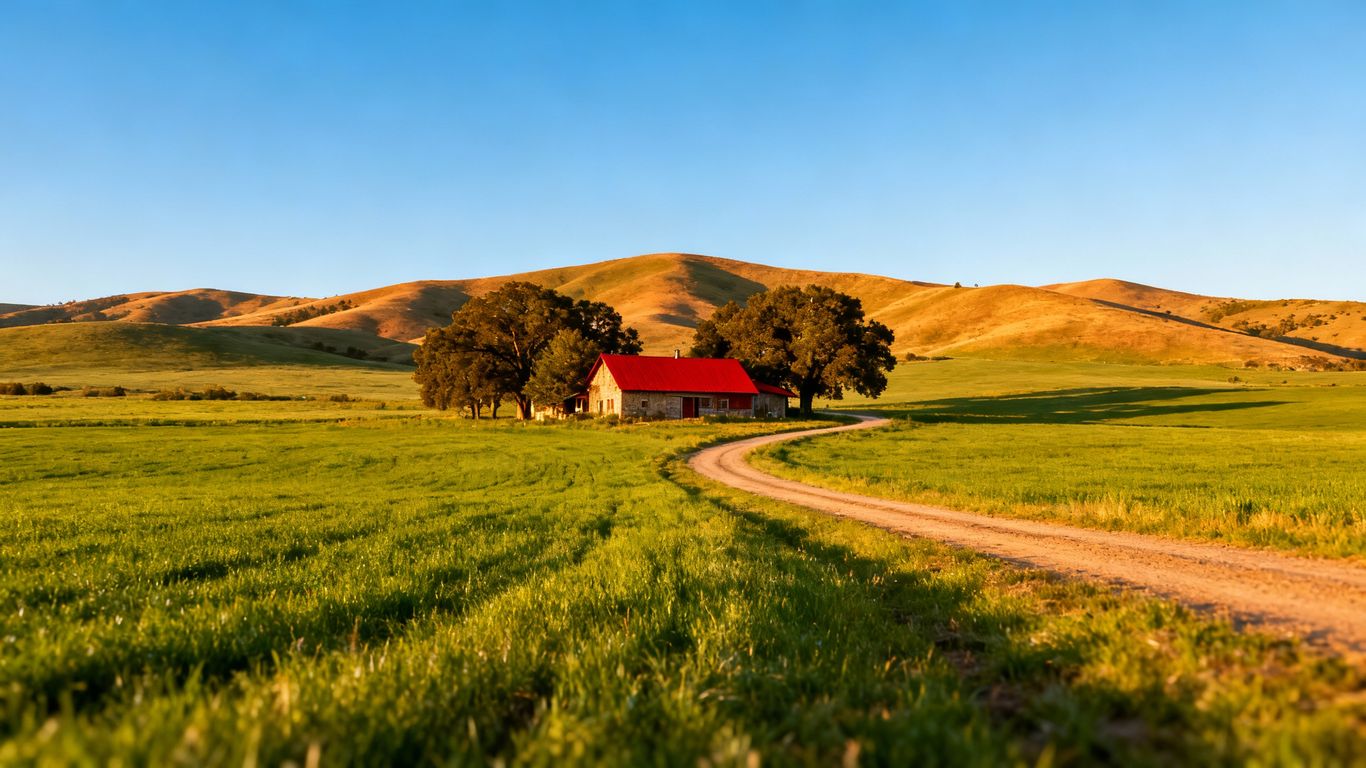
Rural ownership in B.C. typically means trading a small urban lot for an expansive acreage outside city boundaries. The star of this landscape is often the Agricultural Land Reserve (ALR), established to preserve farmland from development. While offering the picturesque scenes of Okanagan orchards or Cariboo cattle ranches, these properties come with unique "gotchas" that can make city living seem simpler.
Financial Realities
Financially, rural properties present a different picture. A 10-acre ALR parcel in the Okanagan might cost between $500,000 and $1 million. While this offers more land per dollar than urban lots, it's essentially a blank canvas requiring significant investment in plumbing, power, and driveways. Mortgages for these properties can be complex, with banks often requiring a business plan, especially if Farm Credit Canada is involved. Monthly payments on a $600,000 loan could range from $2,000 to $4,000. However, property taxes are a bright spot. ALR land benefits from farm-class status, significantly reducing rates to $1-$3 per $1,000 of assessed value, compared to urban rates of $5-$7. A $700,000 rural home might only incur $2,100 in annual taxes, provided farm status is maintained.
Insurance and Infrastructure
Insurance premiums for rural properties can be higher, ranging from $2,000 to $4,000 or more, due to wildfire risks and remote locations, especially with barns or livestock. The responsibility for infrastructure maintenance falls squarely on the owner. Septic systems can cost $5,000 to $10,000 every couple of decades, well drilling can exceed $10,000, and fencing to keep wildlife out is an ongoing expense.
Water Rights and Access
Water rights are a critical consideration. In B.C., surface water belongs to the province, requiring licenses for irrigation or even domestic use. Groundwater wells must be registered, and shortages, particularly in areas like the Okanagan, can impact agricultural viability. Unlike urban areas where water is municipally supplied, rural owners must manage their own water sources. Access easements, granting the legal right to cross another's land, can also become a point of contention, potentially leading to costly legal disputes if not clearly defined.
The Ultimate Self-Reliance Test
Compared to other ownership models like freeholds, stratas, or co-ops, rural ownership is the ultimate test of self-reliance. While offering peace, quiet, potential farm income, and tax advantages, it demands preparedness for remote services, significant infrastructure costs, and the unpredictable nature of weather and pests. For those ready for the commitment, rural B.C. offers a rewarding escape, but only if you're prepared for the unique challenges that come with living beyond the city's edge.