
British Columbia's suburban development is undergoing a significant transformation, moving away from the traditional model of large, single-family homes on sprawling lots. Instead, developers are focusing on creating compact, multi-functional "villages" that prioritize community amenities, transit, and services, reflecting a broader shift in housing preferences and urban planning.
Key Takeaways
- Suburban development in B.C. is shifting from single-family homes to multi-family units like townhouses, apartments, and towers.
- New developments emphasize integrated community features such as transit, schools, shops, and recreational spaces.
- B.C.'s new home construction trends show a significant decline in single-family detached homes compared to multi-unit dwellings.
- This trend contrasts with the United States, where single-family homes still dominate new construction.
The Evolution of Suburban Living
For decades, the British Properties group in West Vancouver centered its business model on large, luxurious single-family homes. However, this approach has evolved with the development of Cypress Village, a compact community featuring townhouses, apartments, and towers designed to house approximately 7,000 people by 2050. The focus here is on ensuring the new cluster is well-served by transit, schools, shops, and community amenities.
Similarly, in West Abbotsford, Highstreet Village is being developed by AB Wall. This 600-home project, located near a shopping center and major highway, also prioritizes proximity to amenities like shopping, transit, and schools, demonstrating a shared vision for suburban development.
A Shift in Housing Trends
These projects are indicative of a broader trend in the Lower Mainland, moving away from the 1950s model of mass-produced bungalows sprawling across green fields. While some sprawl development still occurs, B.C. and Vancouver, in particular, are increasingly favoring diverse housing types beyond traditional "Dick and Jane" houses with large lawns.
Statistics highlight this shift: in the first eight months of 2025, only 11.3 percent of new homes built in B.C. were single-family. In 2024, this figure was 12.7 percent, a continuation of a two-decade decline in single-detached homes. The major shift in recent years has been towards more rental units, with the overall share of multi-family housing steadily growing.
Community Over Isolation
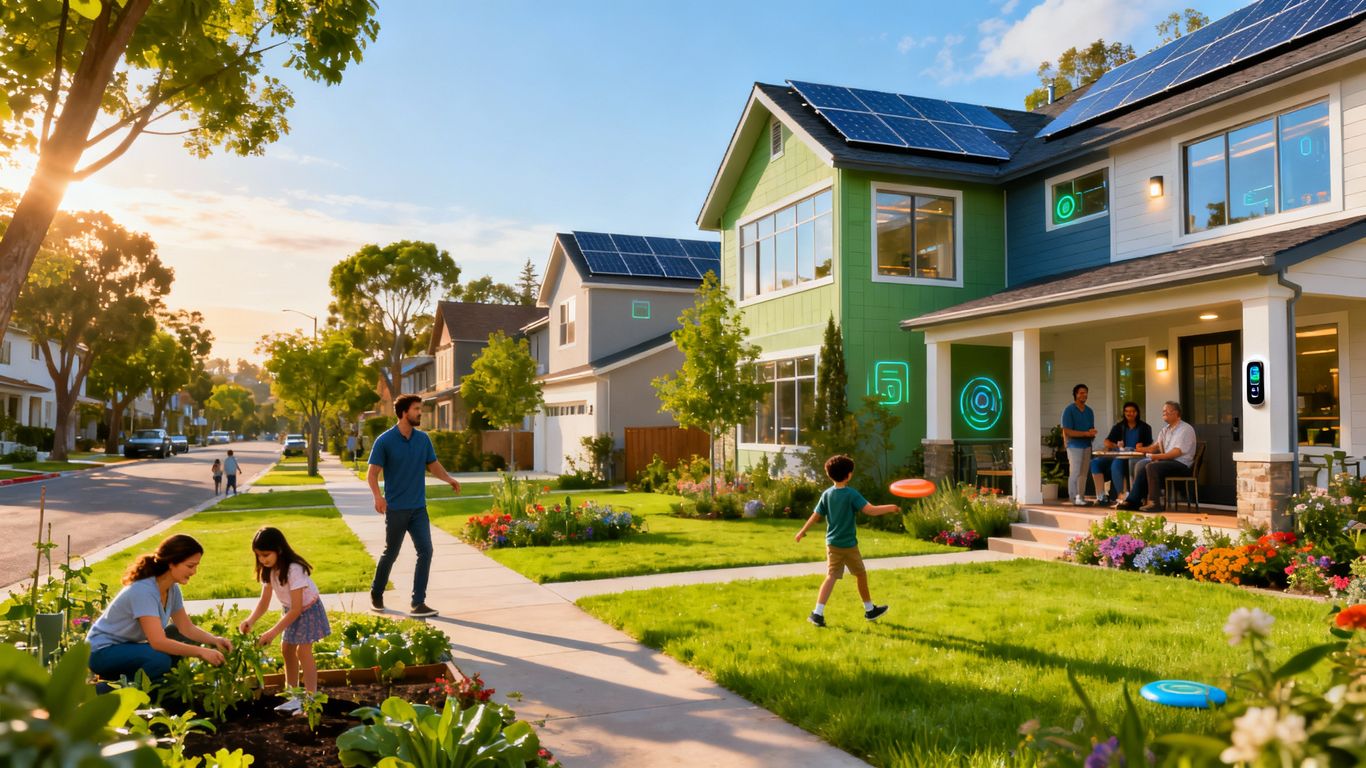
Developers are recognizing that future residents are less interested in isolated suburban living and more focused on integrated communities. Alf Wall of AB Wall emphasizes the advantages of his project's location, including a transit hub, shopping center, and nearby grocery store. His company avoids developing on farmland, preferring land already designated in official community plans.
Bryce Tupper of British Properties echoes this sentiment for Cypress Village, where 94 percent of units will be multi-family. "We have a different set of cornerstones now. What's considered necessary: a community centre, community commercial, banks, dry cleaners, places for daily needs, childcare, transit," he stated. The company is even planning to fund its own shuttle bus service to connect residents with established transit lines.
This strategic focus on creating walkable, amenity-rich communities reflects a cultural shift where the emphasis is less on large yards and more on having a vibrant community on the doorstep, marking a significant evolution in B.C.'s suburban future.