

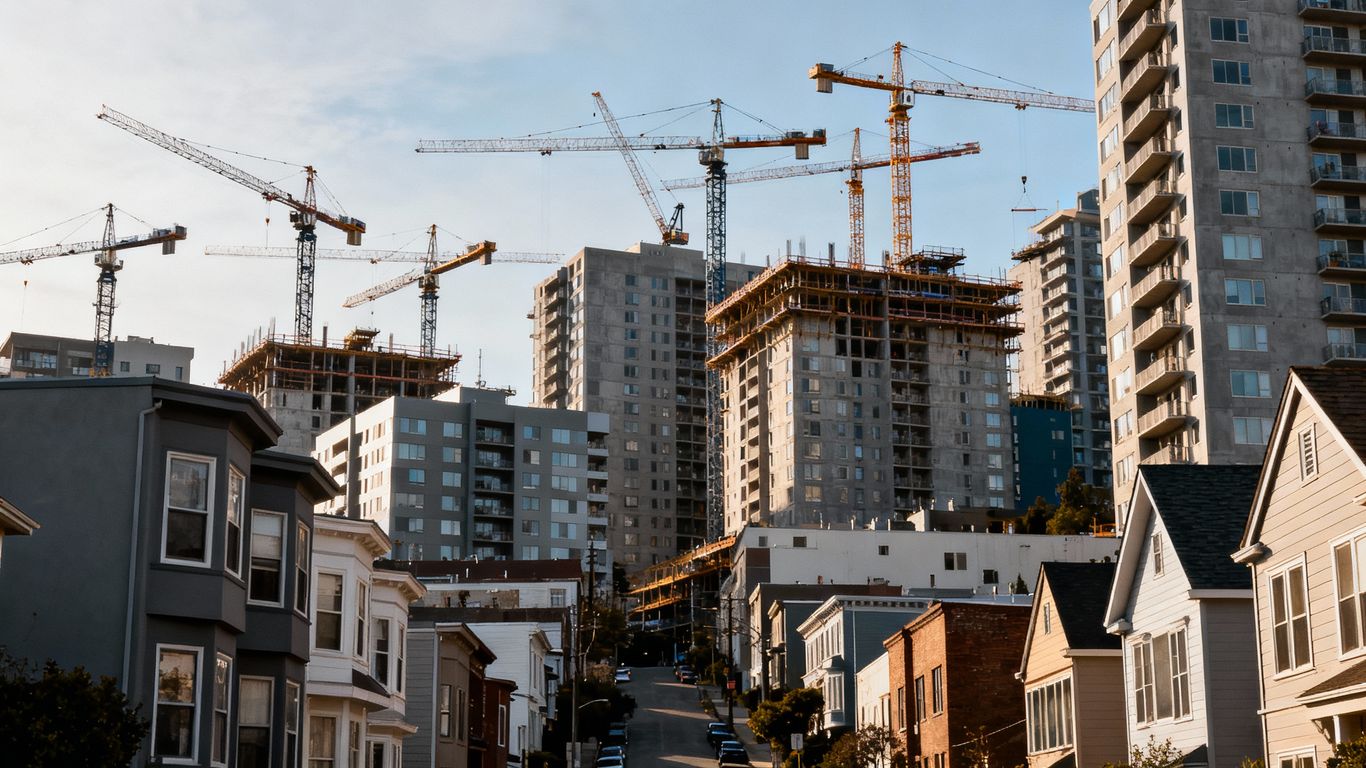
The British Columbia Real Estate Association (BCREA) is sounding the alarm over a potential housing affordability crisis, drawing parallels to the undersupply issues of the 2010s. A recent report indicates that a slowdown in construction, coupled with rising unsold inventory, could lead to significant price increases in the coming years if proactive measures are not taken.
Key Takeaways
- Unsold new home inventory, particularly apartments, is at a 30-year high, leading developers to delay or cancel projects.
- The BCREA forecasts a potential 27% increase in house prices by 2032 if current trends continue.
- The association is calling for policy changes to stimulate both housing demand and supply.
Construction Slowdown and Rising Inventory
The BCREA's Market Intelligence report highlights a concerning trend: a significant increase in unsold new homes, reaching levels not seen since the late 1990s. This surge, especially in the apartment sector, is prompting developers to put projects on hold or cancel them altogether. This construction slowdown is a direct consequence of weak demand following the global financial crisis, which initially boosted inventories and subsequently discouraged new building.
Risk of Future Undersupply and Price Hikes
BCREA chief economist Brendon Ogmundson stated that the combination of high unsold inventory and what he described as "crippling taxes" is deterring future development. This situation puts British Columbia at risk of a chronic undersupply of housing when demand inevitably rebounds. The association warns that this could trigger a repeat of the 2010s, a decade characterized by a severe lack of homes and a dramatic escalation in prices, potentially leading to a 27% rise in house prices by 2032.
Proposed Solutions for Market Stability
To avert such a scenario, the BCREA is advocating for a multi-pronged approach involving government intervention on both the demand and supply sides of the housing market. Key recommendations include measures to bolster the pre-sale market, a re-evaluation of foreign buyer involvement in new construction projects, and a concerted effort to reduce overall development costs. These actions are deemed crucial for fostering greater consistency in the market and preventing the wild price swings experienced in the past.