
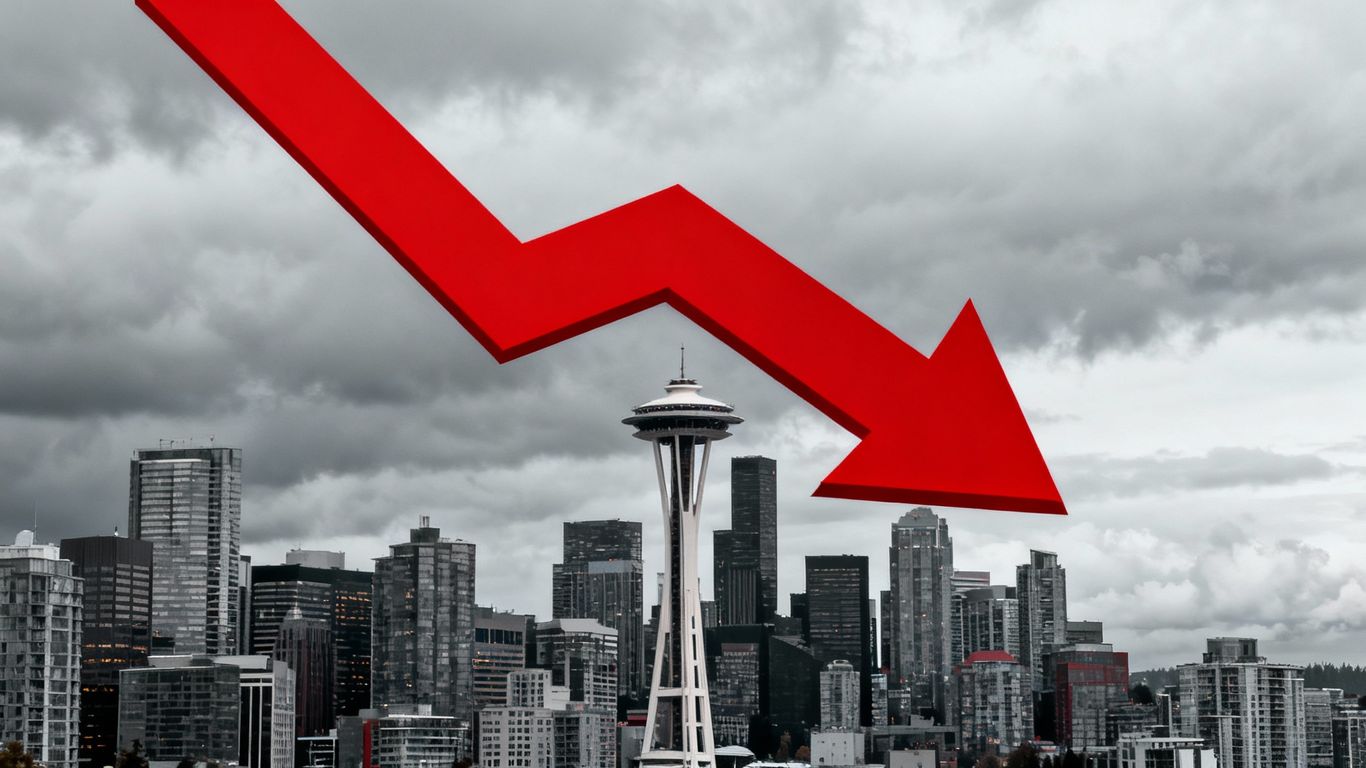
British Columbia has emerged as the Canadian jurisdiction with the most significant drop in average rental asking prices in December, according to a recent report. The province's rental costs have fallen 6.8% year-over-year, reaching just under $2,400 per month. This decline is being actively credited by the provincial government to its implemented anti-speculation policies and efforts to increase housing supply.
Key Takeaways
- British Columbia experienced the steepest year-over-year decline in average rental asking prices among Canadian jurisdictions in December, falling by 6.8%.
- Vancouver led major Canadian cities in rent decline, with a 6.6% drop year-over-year.
- The provincial government attributes this trend to its anti-speculation policies and increased housing supply.
Provincial Policies Driving Rent Reduction
The Ministry of Housing highlighted that rental asking prices for both purpose-built and condominium units have decreased by 8.5% over the past two years. In Vancouver specifically, rents have fallen by more than 15% compared to December 2023 figures. Housing Minister Christine Boyle stated that the province's strategy has focused on boosting housing supply and reinforcing tenant protections.
Rentals.ca reported that B.C. has seen a substantial increase of over 55% in its registered purpose-built rental homes since December of the previous year. Boyle emphasized the importance of continuing this progress to avoid repeating past mistakes that made housing unaffordable for many British Columbians.
Comparative Rental Market Trends
In December's report, other Canadian regions also saw rental price decreases, though not as pronounced as in B.C. Alberta's average rent fell by 5.7% to $1,775, while Ontario's average rent declined by 3.8% to just under $2,300. In contrast, Saskatchewan experienced a rise of 3.9%, with average rents reaching $1,490.
Vancouver's rental market showed a significant year-over-year decrease of 6.6%, narrowly surpassing Calgary's 6.5% drop among major Canadian cities. This data suggests a broader trend of cooling rental markets in some parts of the country, with B.C. leading the downward movement.