

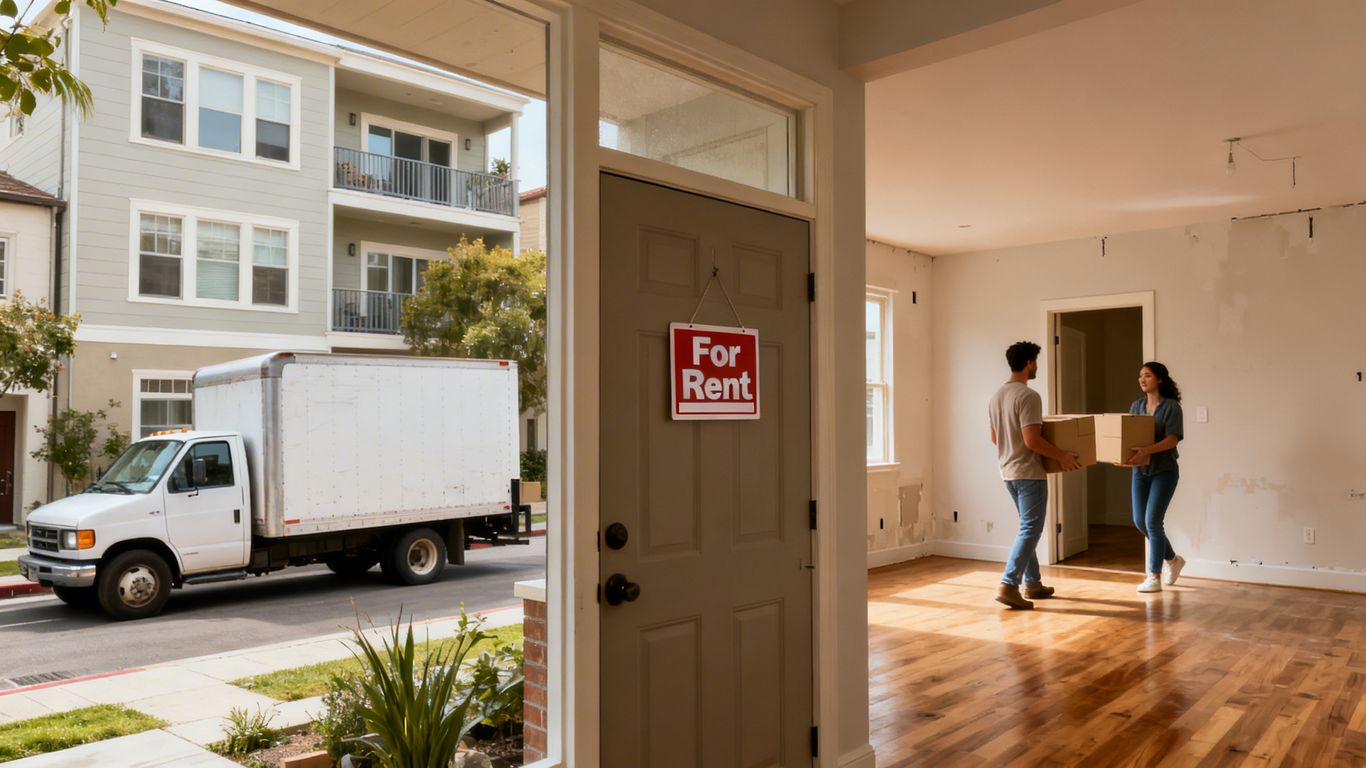
Rents across British Columbia have seen a notable decline in 2025, a trend attributed to significant demographic shifts that have eased rental demand. A recent report indicates a year-over-year drop in average rental prices, offering some relief to tenants. However, a concurrent decrease in new housing construction, particularly for apartments, raises concerns about a potential future rental crisis.
Key Takeaways
- Average rent for an unfurnished one-bedroom unit in B.C. fell 5.3% in 2025.
- Emigration and a net loss of non-permanent residents are key drivers of reduced rental demand.
- Declining apartment starts could lead to a rental housing shortage in the coming years.
- Landlord sentiment regarding profitability is mixed.
- AI adoption in the rental market is still in its early stages.
Rental Price Trends
The average monthly rent for an unfurnished one-bedroom apartment in British Columbia was $2,152 in 2025, marking a 5.3 percent decrease from $2,273 in 2024, according to a report by Liv.rent. This marks the first time since 2012 that B.C. has experienced negative population growth, a significant factor in the cooling rental market.
The most expensive cities for renters in 2025 were West Vancouver ($2,654), North Vancouver ($2,515), and Vancouver ($2,403). Conversely, Abbotsford ($1,587), Surrey ($1,845), and Langley ($1,943) offered the most affordable rental options.
Demographic Drivers of Rental Demand
Several demographic changes are contributing to the decrease in rental prices. B.C. saw a substantial increase in emigration in 2025, with 19,628 people leaving the province, a 32 percent rise year-over-year and the largest increase in over a decade. Additionally, the province experienced a net loss of 48,943 non-permanent residents in 2025, a sharp reversal from a net gain of 53,797 in the previous year.
While B.C. attracted 13 percent of Canada's immigrants in 2025, it lagged behind Ontario (43 percent) and Quebec (15 percent). "All of this has really lowered rental demand and therefore affected rental prices," stated Matisse Yiu, Liv.rent’s head of marketing.
Concerns Over Future Supply
Despite the current dip in rents, a concerning trend is the decline in housing and apartment starts. Liv.rent reported a five percent year-over-year decrease in housing starts in B.C. in 2025, with apartment starts falling by eight percent. Cities like West Vancouver, Richmond, North Vancouver, and Coquitlam saw significant drops in apartment construction.
Yiu warned that given construction timelines and anticipated future population growth, this reduction in new supply could lead to a shortage of rental units and a subsequent rise in rents within the next two to four years. "We’re seeing some early signs of the next housing squeeze possibly based on just what we’re seeing right now," she commented.
Landlord Sentiment and AI Adoption
The report also touched upon the current sentiment among landlords, with a national survey indicating mixed profitability. 34 percent of landlords reported making a profit, while 38 percent stated they were losing money, and the remainder were breaking even.
Regarding technology, the adoption of Artificial Intelligence (AI) in the rental market remains nascent. Only about one in six renters and landlords reported using AI tools in the past year. While landlords found AI beneficial for tasks like creating listings and editing photos, renters reported less consistent time savings, with some finding the process longer.