

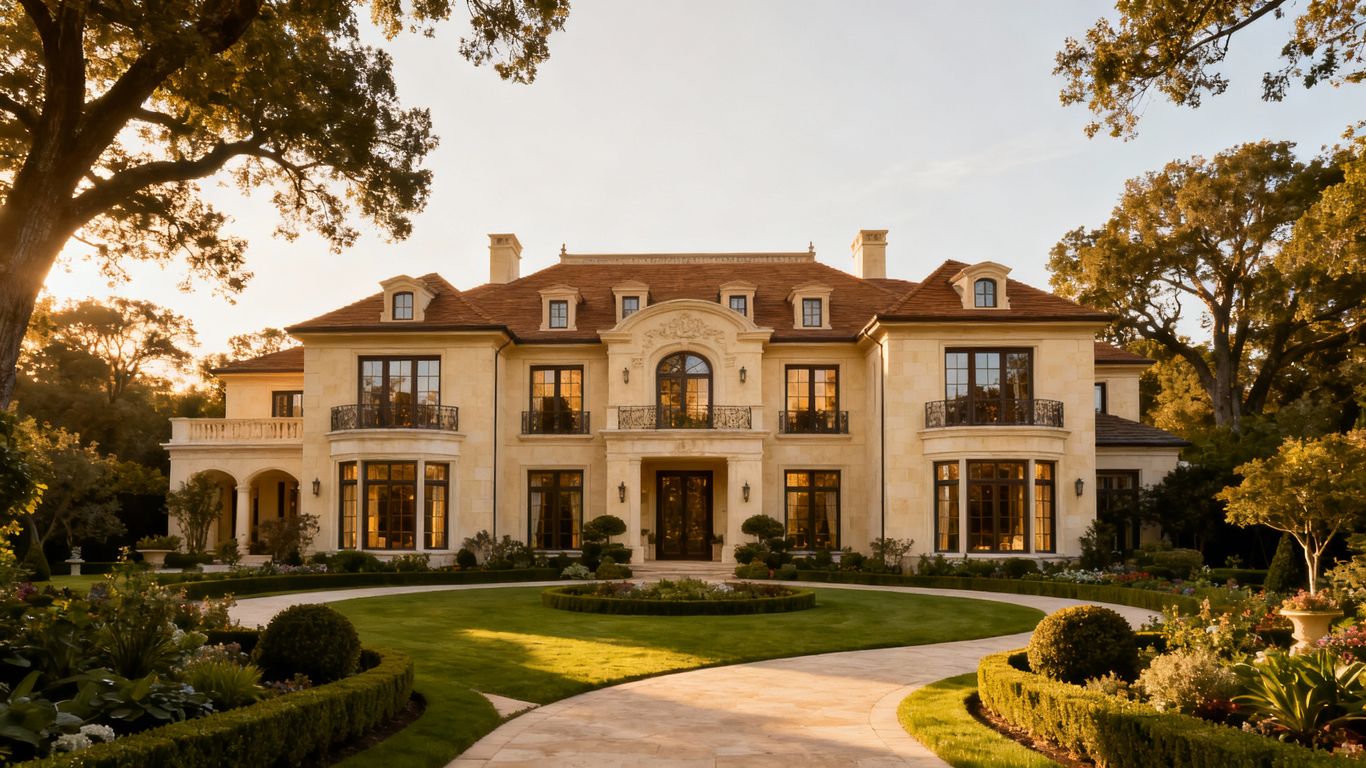
An appeal board has significantly reduced the official valuation of a sprawling 19,000-square-foot mansion in Vancouver's upscale Shaughnessy neighborhood. The owner, the Onni Group of Companies, successfully argued that the luxury real estate market has been negatively impacted by various government policies, including the foreign buyer's tax, leading to a substantial decrease in the property's assessed value.
Key Takeaways
- An appeal board reduced the valuation of a Vancouver mansion by over $4 million.
- The owner cited the foreign buyer's tax and other policies as reasons for sagging sale prices.
- The property's value was lowered from $24 million to $20 million.
The Appeal Board's Decision
The British Columbia Property Assessment Appeal Board recently lowered the assessed value of the mansion at 1498 Angus Drive to $20 million. This decision came after the Onni Group appealed the initial $24 million assessment, claiming that the luxury market has been hit hard by "new financial and tax disclosures." The company asserted that its property was only worth $17.5 million, presenting sales data that indicated comparable luxury properties had sold at discounts of up to 50 percent off their original listing prices.
Owner's Arguments and Government Policies
Onni's argument centered on the cumulative effect of several taxes and policies introduced to cool the overheated real estate market. These include the foreign buyer's tax, the federal luxury real estate tax, the vacant homes tax, and B.C.'s speculation and vacancy tax. The company contended that these measures have directly contributed to a slump in sale prices for high-end properties.
Assessor's Counterpoint and Board's Final Valuation
The assessor, however, presented sales examples suggesting that the luxury market had remained stable in recent years. Despite this, the appeal board's review panel ultimately decided to reduce the property's market value to $20 million. This figure, used for calculating property taxes, was determined after considering various factors, including comparable sales, the property's substantial size and age, and its extensive amenities, which include indoor and outdoor swimming pools and a tennis court.
This ruling highlights the ongoing debate about the impact of government intervention on Vancouver's high-end real estate market and the challenges faced by property owners in this sector.