
Diving into commercial real estate, especially in a dynamic market like the Fraser Valley, is a major financial undertaking. It's so much more than a simple purchase; it's a strategic move that needs a solid foundation. To make it a profitable one, you need clear goals, a deep understanding of the local landscape, and the right experts in your corner.
Building Your Investment Foundation
Jumping into the competitive world of commercial property in British Columbia requires more than just capital. It demands a sharp, well-defined strategy. Think of it as your roadmap, guiding every single decision you'll make, from the first property viewing right up to the day you get the keys.
The commercial market operates on a completely different set of rules than residential real estate. Your success truly depends on grasping the subtle differences in local markets, from Vancouver to the Fraser Valley, and making sure your purchase lines up with concrete, measurable financial goals. This initial groundwork is absolutely critical—it keeps you from making emotional or reactive choices and ensures you're building real, long-term wealth, not just buying a building.
Define Your Investment Goals
Before you even glance at the first listing, you need to get crystal clear on your "why." What's the end game here? Are you hunting for a steady, long-term income from rental cash flow, or are you after a property with hidden potential that you can renovate and flip for a healthy profit?
Your answer will directly shape the type of property you should be looking for.
- Looking for Passive Income? You'll probably want to focus on multi-family apartment buildings or retail spaces that already have reliable, long-term tenants locked in.
- Chasing Capital Appreciation? An underperforming industrial warehouse in an up-and-coming area could be a goldmine for future growth.
- Need a Home for Your Business? Maybe your goal is to become an owner-occupier. This lets you stop paying rent to someone else and start building your own equity.
Knowing your core motivation from the get-go makes it infinitely easier to sift through listings and focus your energy only on the opportunities that genuinely fit your financial vision.
A well-defined investment strategy is your most powerful tool. It transforms a complex process into a series of manageable steps, ensuring every decision supports your ultimate financial objectives.
Assembling Your Professional Team
Let’s be clear: navigating a commercial real estate deal is not a one-person show. You absolutely need a team of seasoned professionals who live and breathe the BC market. This inner circle should include a sharp real estate lawyer, a detail-oriented accountant, and, most importantly, a dedicated commercial real estate agent.
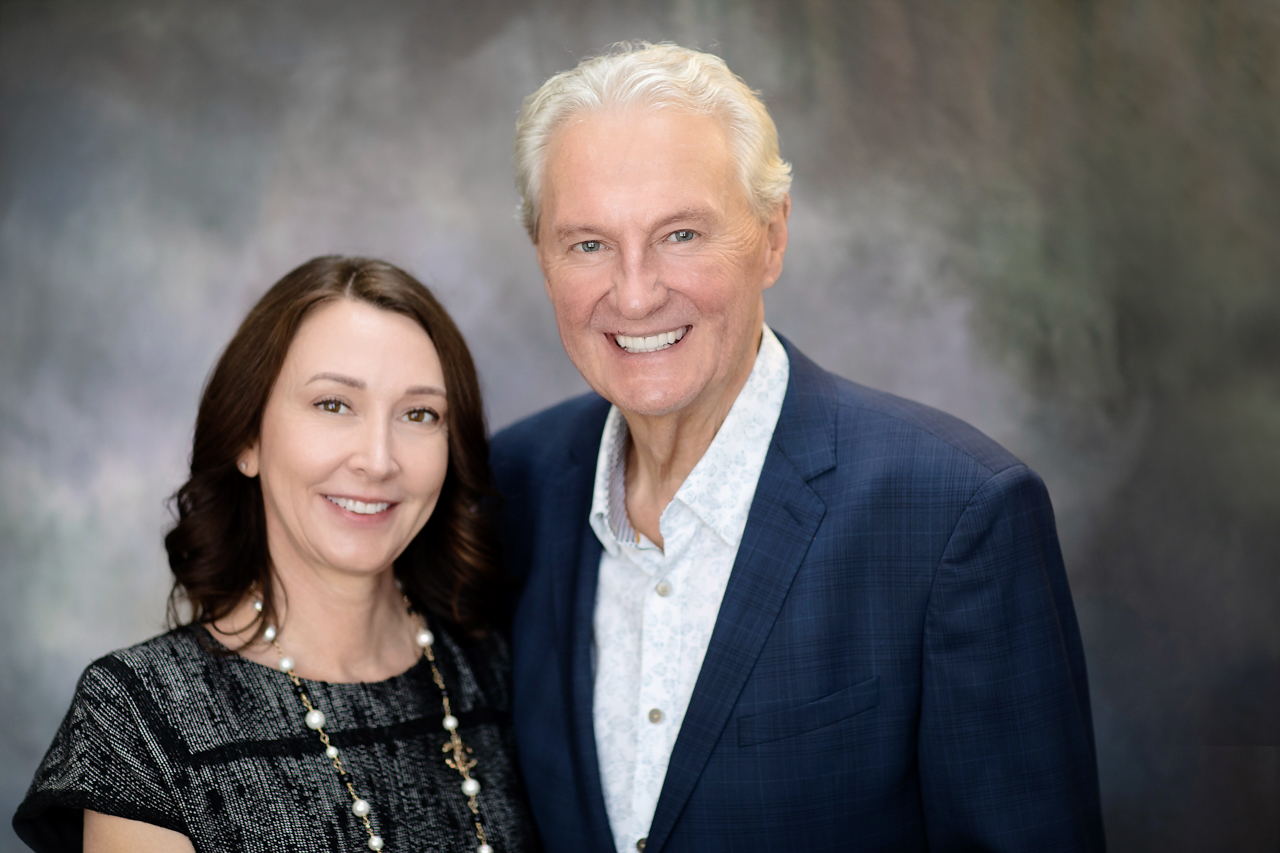
Experts like James and Nicole Isherwood, who specialize in the Vancouver and Fraser Valley markets, bring indispensable local knowledge to the table. They’re the ones who understand the maze of zoning laws, hear about off-market deals before anyone else, and provide the kind of in-depth analysis you just can't find on a public listing.
It's also crucial to understand the financials. In BC, a typical real estate commission is 7% on the first $100,000.00 and 3.5% on the balance—a cost that, thankfully, is usually covered by the seller. If you're planning to lease out your new property, getting up to speed on tenancy laws is a must. There are some excellent landlord resources available to help you prepare for that side of the business.
Getting Your Finances and Team in Order
Once you've got a clear vision for your investment, it's time to tackle the two things that can make or break a deal: money and people. Securing your financing and building a solid professional team are the bedrock of any successful commercial property purchase. This isn't like buying a house—commercial financing is a different beast entirely, and you need specialists in your corner.
Sorting Out Your Financing in BC
Unlike a residential mortgage, lenders look at commercial properties through a much stricter lens. They'll want to see a rock-solid business plan, and you can expect to put down a much larger chunk of cash upfront. Be prepared for a down payment somewhere in the 25% to 35% range. This shows lenders you're serious and have skin in the game, which goes a long way in getting your application approved.
In the Fraser Valley, you’ve got a few different paths for funding. The big Canadian banks and local credit unions are usually the first port of call. They can offer great rates, but they don't hand out money easily. You'll need a stellar financial history and a buttoned-up proposal to get their attention.
Private lenders are another great option. Yes, their interest rates can be a bit higher, but they often move faster and offer more flexible terms. In a fast-moving market like the Fraser Valley, that speed can be exactly what you need to beat out the competition. For a deeper look at your options, it's worth exploring different types of commercial loans for investment property.
Getting pre-approved for financing before you even start looking at properties is one of the smartest things you can do. It tells you exactly what you can afford, gives you serious leverage when negotiating, and proves to sellers you're ready to close the deal.
It’s also crucial to have a firm grasp on what your monthly costs will be. Before you get too far down the road, play around with a mortgage payment calculator to see how different loan amounts and interest rates will impact your bottom line.
You Can't Do This Alone: Building Your A-Team
Trying to buy commercial property by yourself is a recipe for disaster. The complexities are immense, and the risks are high. You absolutely need a team of seasoned professionals who live and breathe the Vancouver and Fraser Valley markets. These aren't just advisors; they're your advocates, your safety net, and your secret weapon.
Here’s who you need on your team:
- A Commercial Real Estate Agent: Don't just get any agent—you need a specialist. Someone with deep local roots, like James and Nicole Isherwood, knows the ins and outs of local zoning, hears about deals before they hit the market, and can tell you what a property is really worth. They’re your guide from start to finish.
- A Real Estate Lawyer: Your lawyer is there to protect you. They'll pour over every line of the Contract of Purchase and Sale, conduct title searches, and make sure there are no legal skeletons hiding in the closet.
- An Accountant: A sharp accountant with real estate experience is worth their weight in gold. They'll help you structure the purchase in the most tax-efficient way and run the numbers to project your cash flow and potential returns.
- A Commercial Property Inspector: This is non-negotiable. A good inspector will crawl over every inch of the building—from the roof to the foundation—and find any potential money pits with the structure, HVAC, or electrical systems before they become your problem.
In British Columbia, the seller typically pays the real estate commission (7% on the first $100,000 and 3.5% on the balance), so you get the benefit of expert representation without having to pay for it directly out of your pocket. It's a huge advantage that every savvy buyer should use.
Identifying and Evaluating Fraser Valley Opportunities
Alright, with your financing pre-approved and your team in place, we get to the exciting part: the hunt. The first thing to understand is that the Fraser Valley isn’t just one big market. It’s a collection of unique communities—places like Langley, Maple Ridge, and Surrey—and each one has its own commercial real estate DNA. Getting a feel for these local nuances is what separates a good buy from a great one.
The journey to a successful purchase starts with a solid foundation. You need your down payment sorted and expert guidance on your side before you even start looking at listings.

This infographic really nails the essentials. Think of it as your pre-flight checklist before you take off.
Getting to Know the Fraser Valley Market Sectors
Not all commercial properties are built the same, especially in a region as dynamic as this. The industrial sector, for instance, has been on an absolute tear. Driven by the non-stop growth of e-commerce and logistics, industrial spaces in places like Surrey and Langley are seeing incredibly low vacancy rates. In fact, Metro Vancouver's industrial market continues to be one of the tightest in North America, with availability rates hovering around just 2.6% in early 2024.
On the other hand, the office sector is in a bit of a transition. High-quality, modern office buildings still have pulling power, but older properties are struggling as more companies adopt hybrid work models. Vancouver's downtown office vacancy rate climbed to 12.8% at the end of 2023, reflecting a trend seen across many Canadian cities.
To get a clearer picture of what's happening in the Fraser Valley specifically, it helps to break down the main property types and see where the action is.
Commercial Property Type Analysis in the Fraser Valley
This table gives you a snapshot, but every property tells its own story. The key is to match the property type to your investment goals and risk tolerance.
The Numbers That Actually Matter
Looks can be deceiving. A beautiful building that hemorrhages money is an expensive hobby, not an investment. You have to ground your evaluation in the cold, hard numbers. Three metrics, in particular, will become your best friends.
- Net Operating Income (NOI): This is your property's pure profitability. It's the total income (rent, etc.) minus all operating expenses (taxes, insurance, maintenance). Crucially, NOI does not include your mortgage payments. It’s the raw financial power of the asset itself.
- Capitalization Rate (Cap Rate): A simple but mighty formula: Cap Rate = NOI / Property Price. This gives you the potential rate of return on your investment. A higher cap rate might suggest more risk but a higher potential reward, while a lower cap rate usually points to a safer, more stable asset.
- Cash-on-Cash Return: For most investors I talk to, this is the bottom line. It measures the annual cash income you get back against the actual cash you put in (your down payment and closing costs). It answers the most important question: "For every dollar I've invested, how many cents am I getting back each year?"
A detailed financial analysis isn't optional—it's everything. You must verify the seller's pro forma with your own careful due diligence. An experienced agent like James or Nicole Isherwood can be your secret weapon here, helping you spot inflated numbers and project future performance with a dose of reality.
Due Diligence: Beyond the Spreadsheet
A property's true potential isn't just on a P&L statement. You've got to roll up your sleeves and dig deeper to uncover the risks and opportunities that aren't so obvious. This is where meticulous due diligence pays off.
Your investigation absolutely must include:
- A Deep Dive into All Lease Agreements: Don't just skim them. Pay close attention to lease terms, expiry dates, and any clauses for rent increases. Are the tenants financially stable? How much time is left on their leases?
- A Professional Physical Inspection: Go way beyond a casual walkthrough. Hire pros to get on the roof and inspect the HVAC, plumbing, and electrical systems. A surprise roof replacement can cost tens of thousands of dollars—a hit you don't want to take right after closing.
- An Honest Assessment of the Tenant Mix: In a multi-tenant building, is the income spread across a healthy mix of businesses? Or is 80% of your rent coming from a single anchor tenant? Losing that one tenant could be devastating.
For more updates on market shifts and what we're seeing on the ground, you can always check our Brookside news and articles page.
This comprehensive process—blending sharp financial analysis with boots-on-the-ground investigation—is how you move from just finding a property to identifying a truly sound investment.
Making Your Move: Crafting the Offer and Nailing Due Diligence

You’ve found a property that ticks all the boxes. Now, the process shifts from analysis to action. Making an offer on a commercial building, especially in a competitive market like the Fraser Valley, is a strategic art form. It's about so much more than just coming up with a number; you're building a compelling case that shows you're a serious, well-prepared buyer.
The real strength of your offer comes from all the homework you've already done. By leaning on your detailed property evaluation and market analysis, you can confidently justify the price and terms you’re proposing. This immediately positions you as an informed investor, showing the seller your offer is based on solid data, not just a whim.
Structuring a Winning Offer
A strong offer is a complete package. While the purchase price gets all the attention, the other terms and conditions are often where a deal is made or broken. Your goal is to be clear, concise, and one step ahead of the seller’s questions.
This is where working with a seasoned agent like James or Nicole Isherwood is invaluable. They bring the on-the-ground knowledge of what truly motivates sellers, helping you craft an offer that speaks to their needs while fiercely protecting your own interests. That kind of strategic guidance can be the difference-maker.
Here are the key pieces of a powerful offer:
- The Purchase Price: This number should be a direct result of your calculated NOI, cap rate, and recent comparable sales in the Vancouver and Fraser Valley markets.
- Deposit Amount: A more substantial deposit signals your commitment and financial readiness, making your offer stand out.
- Conditions (Subjects): Think of these as your safety net. These clauses give you a set amount of time to conduct your due diligence without being fully locked into the purchase.
- Closing Date: This is the day you officially take ownership. If you can offer a closing date that lines up with the seller's timeline, it can be a surprisingly effective bargaining chip.
The best offers aren't always the highest. An offer with fewer conditions and a flexible closing date can often be far more appealing to a seller than a slightly higher price tangled in complexities.
Negotiating Beyond the Price Tag
Commercial real estate negotiations are rarely a simple back-and-forth on price. Smart investors and their agents are always looking for ways to create value across the entire deal. If you can be flexible on some terms, you can gain leverage on others.
For instance, you might offer a faster closing in exchange for the seller including key assets in the sale, like maintenance equipment or existing office furniture. Or, perhaps you negotiate a price reduction to cover a necessary roof repair you found during your initial walk-through.
This is also the time to get crystal clear on financial responsibilities. In BC, for example, the seller typically pays the real estate commission, which is structured as 7% on the first $100,000.00 and 3.5% on the balance. Making sure this is clearly understood and documented is a small but crucial part of the negotiation.
The Critical Due Diligence Period
Once your offer is accepted, the clock starts ticking on your due diligence period. This is, without a doubt, the most important phase of the entire process. It’s your one chance to get under the hood and verify every single assumption you’ve made about the property. Rushing this or skipping steps is the single biggest mistake a buyer can make.
As you head into this phase, it helps to follow a comprehensive commercial property due diligence checklist to make sure nothing falls through the cracks.
Your investigation needs to be meticulous, covering a few key areas:
- Financial Verification: Get your hands on every piece of paper: bank statements, utility bills, property tax records, and especially the rent roll. You need to confirm that the seller's claimed Net Operating Income (NOI) is accurate and, just as importantly, sustainable.
- Physical Inspections: It's time to call in the pros. You’ll want a building inspector to go over the structure, roof, HVAC, plumbing, and electrical systems with a fine-toothed comb. Depending on the property’s age and past use, a specialized environmental assessment (Phase I ESA) might also be a smart move.
- Legal and Title Review: Your lawyer will perform a title search to ensure there are no hidden liens, claims, or other issues attached to the property. They'll also review all municipal zoning and building codes to confirm your intended use is actually permitted.
Don’t forget to dig into the vacancy rates. While the Fraser Valley market has its own unique dynamics, understanding broader trends provides essential context. Getting a firm handle on the property's real value is the final step before you commit.
Closing the Deal and Managing Your Costs
You’ve navigated the offers and powered through due diligence. Now comes the final stretch: closing the deal. This is where all the legal and financial threads are woven together, officially making you the owner of a new commercial property. It's a phase that demands meticulous attention to detail because the paperwork is significant, and you need a crystal-clear picture of your final costs.
The central document here is the Contract of Purchase and Sale. Once all your conditions—like getting your financing approved and completing inspections—are met and waived, this contract becomes legally binding. From there, your real estate lawyer steps in to quarterback the closing process, working with the seller's legal team and your lender to make sure the title and funds change hands seamlessly.
Understanding Your Closing Costs
Let's talk about one of the most important parts of this final step: budgeting for your closing costs. These are all the expenses required to finalize the transaction, and trust me, they can add up faster than you'd think. Getting caught off guard by these costs can put a serious dent in your finances right at the finish line.
In British Columbia, buyers should be ready for a few standard closing costs. Remember, these are completely separate from your down payment and are due on or before the closing day.
Here’s a realistic breakdown of what to expect:
- Legal Fees: Your real estate lawyer is essential for handling the title transfer, registering the mortgage, and making sure every legal box is ticked. The fees vary, but this is a non-negotiable cost for protecting your investment.
- Property Transfer Tax (PTT): This is a provincial tax every buyer pays when a property's title is registered. The tax is calculated based on the property’s fair market value.
- Survey Costs: It's common for lenders to require a recent property survey to confirm the boundaries and check for any encroachments.
- Appraisal Fees: Your lender will also need a professional appraisal to confirm that the property's value justifies the loan amount.
- Inspection Fees: The bills for your building, environmental, or any other specialized inspections you did during due diligence will come due now.
Keep an eye out for a document called the Statement of Adjustments. Your lawyer will send this over just before closing. It’s a detailed, line-by-line breakdown of every single cost, credit, and tax, telling you the exact dollar amount you need to bring to the table to seal the deal.
Clarifying Commission Structures
A question that often comes up around closing time is about the real estate agent's commission. It’s good to have a solid understanding of how experts like James and Nicole Isherwood are compensated for their work in guiding you through the complex journey of buying commercial property.
In British Columbia, the commission is typically paid by the seller directly from the proceeds of the sale. What does that mean for you? As the buyer, you generally don't pay your agent’s commission directly.
The standard structure is 7% on the first $100,000.00 of the sale price and 3.5% on the balance. This total amount is then split between the seller's brokerage and the buyer's brokerage. This setup is great for buyers because it allows you to get professional representation without having to worry about another upfront cost.
Once all your legal and financial duties are fulfilled, closing day arrives, and the property is officially yours. This is a huge milestone, but it's also the start of a new chapter: managing your asset. To ensure your investment is profitable and runs smoothly from the get-go, many new owners find it's a smart move to look into professional property management in the Fraser Valley.
Common Questions About Buying Commercial Property
Diving into commercial real estate for the first time can feel a little overwhelming. You're bound to have questions. To give you a head start, we've pulled together some of the most common ones we hear from our clients looking at properties in Vancouver and right here in the Fraser Valley.
How Does a Commercial Real Estate Agent's Commission Get Paid in BC?
This is usually one of the first things people ask, and the answer is a welcome one for buyers. In almost every commercial real estate deal in British Columbia, the seller is the one who pays the commission out of the sale proceeds.
What does that mean for you? It means you get professional representation from an expert like James or Nicole Isherwood without having to pay for it directly. The standard commission is typically 7% on the first $100,000.00 of the price and 3.5% on the remaining balance. This amount is split between the seller's agent and your agent when the deal closes, so you get crucial market expertise at no upfront cost.
What's the Biggest Mistake First-Time Commercial Buyers Make?
Not digging deep enough during due diligence. It's easily the most common and costly mistake we see. First-time buyers often underestimate just how much goes into vetting a commercial property. They might glance over the fine print in a lease, skip a detailed inspection of the building's guts—like the HVAC or electrical systems—or not fully understand how local zoning rules could derail their plans.
Rushing the due diligence phase is a recipe for disaster. It can lead to discovering major issues after closing, such as unexpected capital expenditures for a new roof or HVAC system, which can cripple an investment before it even gets off the ground.
Bringing in an experienced team—your realtor and a real estate lawyer—is the best way to make sure you turn over every stone. It’s about protecting your investment from expensive surprises down the road.
How Much Does Zoning Really Affect a Commercial Property’s Value?
Zoning is everything. It's one of the most powerful factors dictating what a property is worth and what you can do with it. Municipal bylaws in places like Surrey and Maple Ridge spell out exactly what's allowed, whether it's retail, industrial, or office space.
A property with flexible zoning, or one that’s earmarked for future "higher-use" development in the city’s Official Community Plan (OCP)—like having potential for a residential conversion—is almost always more valuable. If your business plan doesn't line up with the property's zoning, that perfect building becomes a non-starter. Checking the zoning isn't just a box to tick; it's a critical part of your research.
Can I Use My RRSP to Buy a Commercial Property?
That’s a great question, but the answer isn't a simple yes or no. You can't just take money out of your personal RRSP and buy a building directly. However, it's sometimes possible to use those funds as part of a more sophisticated financing strategy.
Typically, this involves setting up a self-directed RRSP that lends money to a corporation you own, which in turn buys the property. Be warned: this process is governed by very strict "arm's-length" rules from the Canada Revenue Agency (CRA) to prevent any conflicts of interest. Before you even think about going down this path, you absolutely must talk to a financial advisor and an accountant who specialize in these structures to make sure you're following every rule to the letter.
At Royal LePage Brookside Realty Property Management, we’re here to help you navigate every question and challenge. With decades of experience in the Fraser Valley, James and Nicole Isherwood have the expert advice you need to feel confident about your commercial property purchase. Let's start the conversation.