
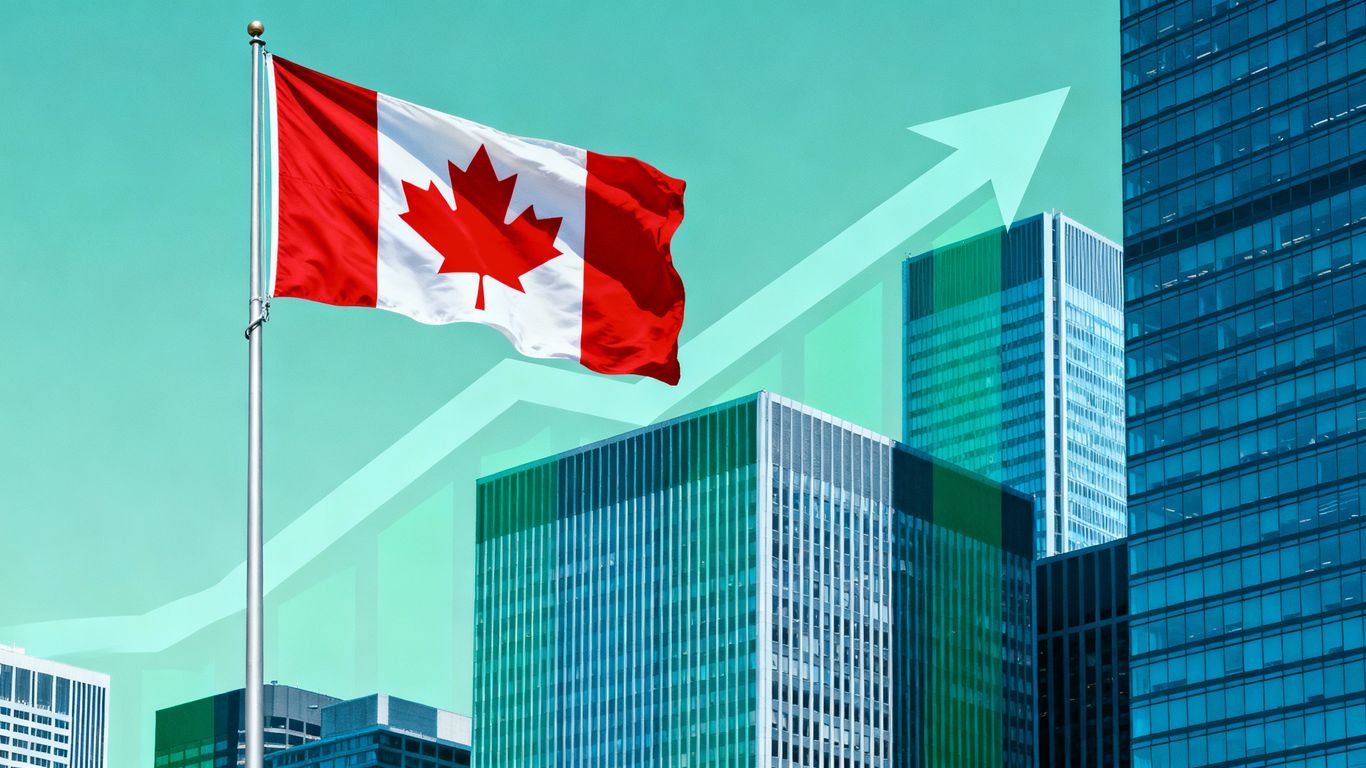
British Columbia's speculation and vacancy tax is slated for a rate increase in 2026, even as the federal government moves to eliminate its own underused housing tax. This divergence in policy raises questions about the effectiveness and necessity of such taxes in the current real estate market.
Key Takeaways
- B.C.'s speculation and vacancy tax rates will rise on January 1, 2026.
- The federal government is scrapping its underused housing tax.
- Experts and critics question the tax's effectiveness and constitutionality.
Speculation Tax Rate Hike
Starting January 1, 2026, the provincial speculation and vacancy tax rates will increase. Foreign owners and "untaxed worldwide earners" will see their property tax rise to three percent of the property's assessed value. Canadian citizens and permanent residents who are not untaxed worldwide earners will face a rate of one percent. These new rates are a significant jump from the previous rates of two percent and 0.5 percent, respectively, which were in effect from 2019 to 2025.
Federal Policy Shift
In contrast to B.C.'s move, the federal government announced in Budget 2025 the elimination of its one-percent underused housing tax. This decision by Prime Minister Mark Carney's Liberal government, which recently won a budget confidence vote, signals a different approach at the federal level.
Growing Skepticism and Legal Challenges
Concerns are mounting regarding the effectiveness and legality of the speculation and vacancy tax. Introduced in 2018 with the stated goals of converting vacant homes into housing and ensuring fair contributions from foreign owners and those with foreign income, some experts doubt its impact.
Andrew Lis, chief economist with Greater Vancouver Realtors, commented that it's difficult to attribute significant improvements in affordability directly to the tax, given other market factors. He also questioned the tax's relevance in the current market, where housing inventory is considerably higher than when the tax was first implemented.
The constitutionality of the tax remains an open question, according to lawyer Lawrence Wong, who was involved in a class-action lawsuit against it. He argued that the tax might infringe on mobility rights and dictate how individuals live their lives.
Other critics, like veteran planner Michael Geller, suggest the tax discourages property ownership and investment, potentially forcing owners to sell or rent out their properties, which could be counterproductive to the goal of increasing rental supply. Some also view it as a form of wealth or income tax.
Government's Defense and Market Adaptation
A spokesperson for the B.C. Ministry of Finance stated that the tax has generated over $470 million for affordable housing initiatives. An independent review in 2022 reportedly found that the tax contributed to adding approximately 20,000 condo units to Metro Vancouver's long-term rental market between 2018 and 2020.
Tax professionals note that many affected property owners have already adapted by selling or renting out their properties. While the tax may have seemed fair during a hotter market, its current fairness is a matter of perspective.